

Globalization has reshaped higher education, and Indian universities are increasingly playing a central role in building international research collaborations. These partnerships are not just about academic recognition; they are shaping careers, boosting innovation, and strengthening India’s presence in the global knowledge economy. From medical sciences to artificial intelligence, Indian institutions are collaborating with leading universities worldwide to co-create impactful solutions for the future.
In this article, we will explore how major Indian universities are driving global research collaborations, the benefits these bring to students, and how such efforts are redefining India’s position in global higher education.
Why Global Research Collaborations Matter
Global research collaborations allow institutions to pool resources, knowledge, and expertise across borders. For students, these partnerships open opportunities to participate in cross-country projects, access state-of-the-art labs, and engage with faculty who are leaders in their respective fields.
Universities in India are leveraging these collaborations to:
- Publish joint research papers in reputed international journals.
- Organize global conferences and symposiums.
- Offer exchange programs and co-supervised PhDs.
- Secure international funding for large-scale projects.
These benefits collectively raise the academic standing of Indian universities and increase the employability of graduates, making them globally competitive.
IIT Bombay: Excellence in Engineering and Interdisciplinary Research
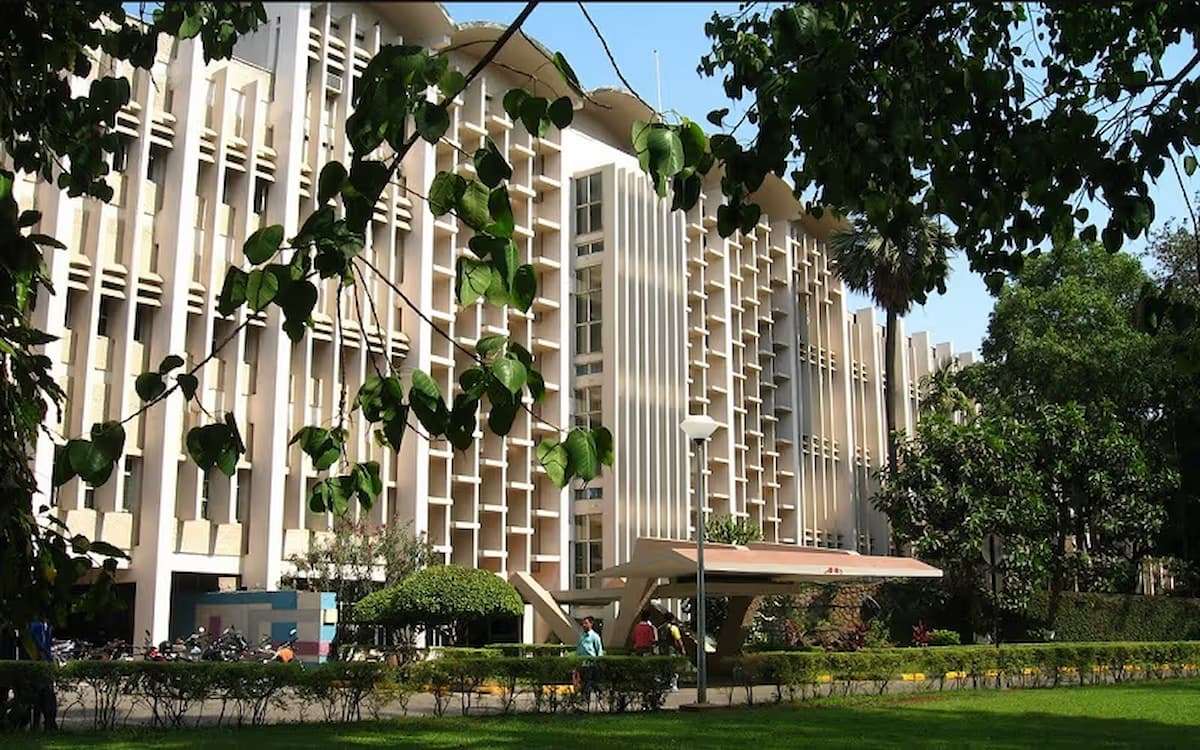
IIT Bombay stands as one of India’s premier engineering and research institutions, consistently recognized for its global academic standing. Admission is highly competitive, primarily through national-level entrance examinations such as JEE Advanced, GATE, CEED, and CAT, ensuring that only the most talented and motivated candidates secure a place. Beyond academics, IIT Bombay nurtures creativity and problem-solving by involving students in high-impact research centers dedicated to artificial intelligence, nanotechnology, sustainable energy, and advanced robotics. Its diverse IIT Bombay academic offerings ensure graduates are well-prepared for careers in technology, research, and entrepreneurship.
Galgotias University: Broadening Horizons through Academic Diversity
Galgotias University has emerged as a hub for students seeking multidisciplinary learning combined with strong research exposure. Offering a wide array of Galgotias University programs, including engineering, management, law, healthcare, and emerging technologies, these academic offerings are designed to prepare students for both domestic and international career opportunities. The institution emphasizes an industry-aligned curriculum, hands-on training, and innovation-driven learning. With global collaborations, internships, and research opportunities, students gain valuable exposure beyond the classroom. By integrating academic rigor with real-world applications, Galgotias ensures its graduates are well-prepared to succeed in today’s competitive and technology-driven environment.
IITs and IIMs: Pioneers of International Collaborations
The Indian Institutes of Technology (IITs) and Indian Institutes of Management (IIMs) are at the forefront of global collaborations. IITs have long been engaged in partnerships with international institutions for joint doctoral programs, satellite development, and sustainable technology research. Several IITs, including IIT Bombay and IIT Delhi, have dedicated international offices to manage collaborations with universities like MIT, ETH Zurich, and Imperial College London.
Similarly, IIMs have broadened their research horizons by working closely with institutions in Europe and North America. Global case studies, cross-border management research, and policy-oriented projects have helped shape leaders with international perspectives.
Ashoka University: Liberal Arts with a Global Outlook
Ashoka University has carved out a unique niche in India by emphasizing liberal arts education with a global perspective. Its collaboration with international universities allows students to participate in joint seminars and research in fields like sociology, politics, and economics.
Through its Young India Fellowship and other interdisciplinary programs, Ashoka encourages students to engage in projects that address global social challenges. Faculty members often collaborate with scholars from top international institutions, ensuring that the academic dialogue is both diverse and globally relevant.
Benefits for Students in a Globalized Research Ecosystem
Students studying in institutions that prioritize international collaboration enjoy several advantages:
- Exposure to diverse perspectives: Working with peers and faculty across the globe broadens cultural understanding and problem-solving approaches.
- Career opportunities: Collaborations often open pathways to internships, research assistantships, and job placements in multinational organizations.
- Enhanced academic quality: Access to international labs, libraries, and mentorship ensures students work on par with global standards.
- Networking: Participation in international conferences builds networks that last throughout professional careers.
These outcomes collectively make Indian graduates more adaptable and ready for global roles.
The Road Ahead
While progress has been significant, the scope for expanding global research collaborations in India remains vast. Universities are now seeking more funding from international organizations, strengthening industry-academic partnerships, and using digital platforms to overcome geographical barriers.
The future of Indian higher education lies in this balance of local relevance and global integration. By deepening international collaborations, Indian universities are preparing students not just for domestic careers but for leadership roles worldwide.
Conclusion
Global research collaborations are transforming the landscape of Indian higher education. Institutions are increasingly building international partnerships that bridge academia and industry, ensuring students gain exposure to global best practices.
For learners exploring advanced course options whether in engineering, management, healthcare, or liberal arts these collaborations provide opportunities such as joint research projects, dual degree programs, faculty exchange, and international internships.By aligning course structures with global standards, Indian higher education is ensuring that graduates are equipped with the skills, research orientation, and adaptability required to thrive in competitive international environments.
 Follow our WhatsApp channel
