

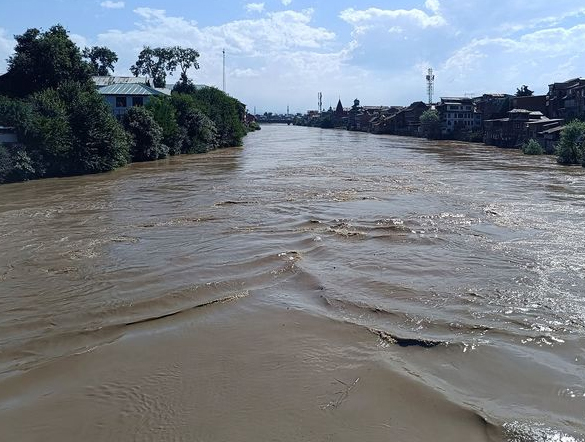
The floods in Jammu, Samba and Kathua have once again exposed a critical vulnerability in India’s border security architecture – the fragility of fencing along the International Border. With Chenab, Basantar and their tributaries swelling beyond danger levels, vast stretches of fencing and multiple BSF posts have been washed away, creating potential gaps in our first line of defence. Pakistan, with its track record of exploiting crises, requires no second invitation to attempt infiltration. The timing, therefore, could not be more perilous. While the BSF has admirably ensured round-the-clock surveillance through boats, cameras and strict patrolling from the hinterland, the fact remains that damaged fencing gives terrorist handlers across the border a psychological advantage. History reminds us that Pakistan-sponsored groups have used precisely such windows – when weather and terrain stretch our security forces thin – to push in infiltrators.
What makes the situation more troubling is the recurring nature of this problem. Every year, monsoon floods wreak havoc on border fencing. If the pillars of the cable car project at Peer Kho can withstand the fury of the Tawi midstream, why must fencing pillars crumble with such ease? This contrast highlights the urgent need to rethink design standards, materials and construction methods for border fencing. Durable, flood-resilient structures must be the norm, not the exception. Cost considerations cannot outweigh national security. At the same time, physical fencing alone cannot be relied upon. Technology must become the backbone of border defence. Night-vision devices, thermal imagers, drones, motion sensors, and satellite-based real-time monitoring should be integrated into routine patrolling. These tools can cover gaps left by floods and give security forces the edge of early detection. Boat patrols, already underway, must be expanded with better equipment and manpower support until the fencing is restored.
Immediate restoration work on damaged fencing must begin without delay, as the weather is expected to stabilise. But long-term, the focus has to be on building resilient infrastructure and embedding technology deep into border management. Jammu and Kashmir can ill afford any lapse. A secure border is not just a line of defence – it is the foundation of stability in the region.
 Follow our WhatsApp channel
