

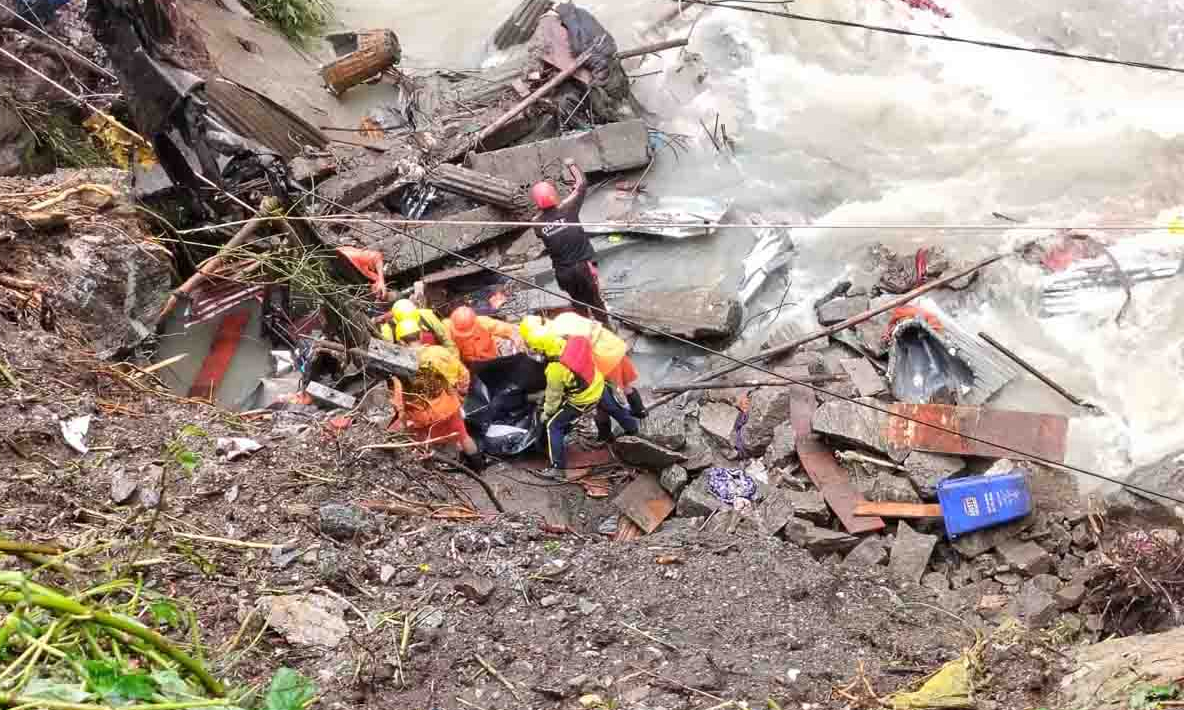
The floods in J&K have once again exposed glaring deficiencies in disaster preparedness at the district level. Despite the existence of the Disaster Management Act, 2005, and repeated instructions from the Department of Disaster Management, Relief, Rehabilitation and Reconstruction, the ground reality remains deeply concerning. Disaster Management Plans, which should serve as the backbone of effective response and mitigation strategies, are either outdated or missing in several districts of the Union Territory. This neglect has translated into chaos, delays, and unnecessary hardships for people who are already grappling with calamity. The law is unambiguous. Section 31 of the Disaster Management Act mandates that every district must have a Disaster Management Plan reviewed and updated annually. The rationale behind this provision is simple-disaster scenarios evolve, risks change, resources vary, and lessons from past crises must be integrated into future planning. Unfortunately, in J&K, many district plans have not been updated for years. When plans do not reflect current realities, the administration is left with no roadmap when disaster strikes, resulting in an ad hoc and reactive response.
This is not a theoretical concern; it is playing out on the ground. Even after a week of devastating floods, large parts of the affected areas remain without basic services like drinking water and electricity. Power restoration has been sluggish, water tankers insufficient, and sanitation has been in disarray. Tube wells remain unrepaired, and there is an acute shortage of water pipes, leaving thousands without potable water. If district authorities had updated DMPs, these logistical requirements would have been anticipated, and arrangements would have been in place well before the rain triggered flash floods.
The DMRRR’s directives for monthly coordination and preparedness meetings are based on experiences from previous disasters, both within J&K and across the country. These instructions aim to keep the administration alert and proactive, ensuring that every department-from power and water supply to health and transport-knows its role and acts swiftly in an emergency. Sadly, these meetings are either not being held or are treated as mere formalities, defeating the entire purpose of disaster management planning. The lapses go beyond paperwork. There were advance weather warnings, yet there was no preparation to tackle flash floods, cloudbursts, or landslides. Standard Operating Procedures were ignored. Canals were left overflowing even when the risk was apparent. Roads in many areas remain blocked because equipment to clear debris was either unavailable or deployed late. In places where landslides struck, there was no clear chain of command; no one seemed to be in charge. The grim result: people searching for survivors and bodies with bare hands while the administration remained clueless. This failure to plan and prepare cannot be brushed aside as an administrative lapse-it is a violation of statutory duties under the Disaster Management Act. The absence of updated district-level plans means no clarity on available resources, no updated contact lists of officials responsible for specific tasks, and no realistic timelines for restoration of essential services. In a region as disaster-prone as J&K-where floods, landslides, earthquakes, and cloudbursts are recurrent-such negligence is unacceptable and inexcusable.
The Government must act decisively to bridge these gaps. Strict monitoring mechanisms must be put in place to ensure annual updating of all DDMP. All updated plans must be made publicly accessible online, containing crucial details such as emergency contacts, availability of water tankers, medical facilities, shelters, and restoration timelines. Disaster management must shift from being reactive and patchwork-driven to preventive and systematic. This means continuous training of personnel, pre-positioning of critical equipment, and active community participation in preparedness drills. Politicians’ visits and verbal assurances do not save lives-planning and timely action do. The floods have once again laid bare the hollowness of claims about preparedness. Unless the administration takes statutory obligations seriously and ensures accountability at every level, future disasters will continue to turn into humanitarian crises.
 Follow our WhatsApp channel
