

Robin Koul
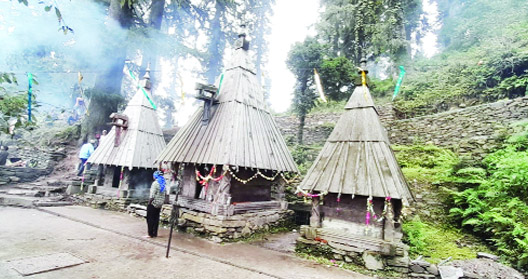
Ramban is fortunate and blessed by the divine powers of our deities. This is reflected in the existence of only a few remaining wooden temples and wooden deity idols in the whole world that are still preserved in the mountains of Ramban. We, the people, must understand the significance of our rich heritage and legacy.
Our district, Ramban, is a region rich in cultural heritage, home to numerous wooden temples and idols dedicated to local deities. These structures, crafted from indigenous wood and adorned with intricate carvings, are not only places of worship but also repositories of the region’s spiritual and architectural history. However, many of these sacred sites face the threat of decay due to environmental factors, lack of maintenance, and limited resources. Preserving these wooden temples and idols is crucial in maintaining the cultural fabric of Ramban and honouring the traditions of its people.
The tradition of crafting wooden idols of local deities has a long and rich history, dating back to ancient times. These idols, often made from wood, were used in rituals, processions, and as portable representations of deities. The use of wood for idols predates stone and metal, although the perishable nature of wood has limited the number of surviving examples.The choice of wood varied depending on regional availability and preference. Artisans employed various carving techniques and patterns, including relief carving, carving in the round, detailed ornamentation, floral patterns, and specifically intricate Naga symbols.
They are also a valuable part of local cultural heritage, reflecting the history, beliefs, and artistic traditions of a region. The creation of wooden idols also allowed for artistic expression, with artisans infusing their personal style and creativity into the work.
The Significance of Wooden Temples and Idols: Wooden temples in Ramban are unique in their construction and design. For instance, the Traman Devta Mandir (Dundhrat), Santhul Devta Mandir (Palli), Gora Nagani Mandir (Kanga), Bali Naag Mandir (Rajghar), Balmuth Naag and Shesh Naag Devta Temple (Shamatha Balmot), Kudmat Naag Devta Mandir (Assar and Baggar), Leth Devta (Gari Natana), and many more are struggling to survive in their wooden form. These temples are dedicated to local deities, reflecting the deep-rooted spiritual beliefs of the community.
The idols housed within these temples are equally significant. Carved from wood, they represent various cults of Naga deities worshipped by the locals. These idols are not mere sculptures but are considered embodiments of divine presence, playing a central role in the religious practices and festivals of the region.
Challenges to Preservation: Despite their cultural importance, these wooden temples and idols face several challenges:
Environmental Degradation: Exposure to harsh weather conditions, including heavy rainfall and snowfall, accelerates the deterioration of wooden structures.
Lack of Maintenance: Limited resources, rapid development in construction material, and Urbanization have led to inadequate upkeep of these sites.
Natural Calamities: The region’s susceptibility to natural disasters, such as landslides, flash floods, and earthquakes, poses a constant threat to the structural integrity of these temples.
Preservation Efforts and Initiatives Recognizing the importance of preserving these heritage sites, we, the local people and administration, have to team up together, under the Heritage Restoration Scheme for revival, restoration, preservation, and maintenance of architecture and heritage projects.
The need of the hour is to provide special recognition, incentives, and monetary assistance schemes for the uncelebrated artisans who are still keeping this wood carving art alive in the mountains. These efforts aim to restore the structural and cultural integrity of the temples and ensure that the cultural heritage they represent is preserved for future generations.
Community Involvement and Awareness:
The active participation of the local community is essential for the successful preservation of these temples and idols. Community members can contribute by:
(I) Participating in Restoration Activities: Engaging in cleaning, maintenance, and minor repair work.
(II) Raising Awareness: Organizing local village-level meetings, workshops, and seminars to educate the younger generation about the significance of these heritage sites.
(III) Documenting Traditions: Recording oral histories, rituals, and festivals associated with these temples to preserve intangible cultural heritage.
Furthermore, collaboration with NGOs, cultural organizations, and academic institutions can provide technical expertise and additional resources for restoration projects. Schools and colleges can form student groups for their assignments and projects focused on preservation work at these sites.
Conclusion: Most temples have been dismantled and reconstructed using bricks and cement, which diminishes the heritage and antique value of these structures. The wooden temples and idols of the Ramban district are invaluable treasures that embody the region’s spiritual and cultural essence. Preserving these heritage sites requires a concerted effort from the Government, local communities, and cultural organizations. By ensuring their protection, we not only safeguard the physical structures but also honour the traditions and beliefs that have shaped the identity of Ramban for centuries.
Community members and villagers are doing a marvellous job preserving their heritage to the best of their abilities. The only need is to synchronize those efforts with the administration’s collaboration. One brilliant example is the renovation of Bali Naag Devta in the main market of Rajghar under the banner of “Baba Bali Naag Mandir Nirman Trust.” My heart was so delighted to see the efforts of the local community. They have allowed the ancient wooden temple to remain preserved and untouched, while constructing a fifty-foot concrete temple over it. Once again, kudos to the team members: HansrajJi, Hoshair Singh Ji, Krishan Singh Bandral, Manjat Ram Ji, Master Pancham Singh, Om Raj Singh Bandral, Pritam Singh Sardar, Swaroop Chand Sharma Ji, and congratulations to the whole village.
Let us join hands to save the Real Ramban.
 Follow our WhatsApp channel
