

Rahul Kumar
The recent decision by the US to impose a staggering 50% tariff on a wide array of Indian goods is more than just a trade dispute; it is a seismic event that is reshaping the geopolitical landscape. This move, a direct and punitive response to India’s continued purchase of Russian crude oil, shatters the illusion of a seamless strategic partnership between the world’s two largest democracies. It forces India to confront its vulnerabilities and embark on a new, more assertive path of strategic autonomy, one that is likely to involve a deeper alignment with a resurgent BRICS bloc and a more nuanced relationship with Russia and China.
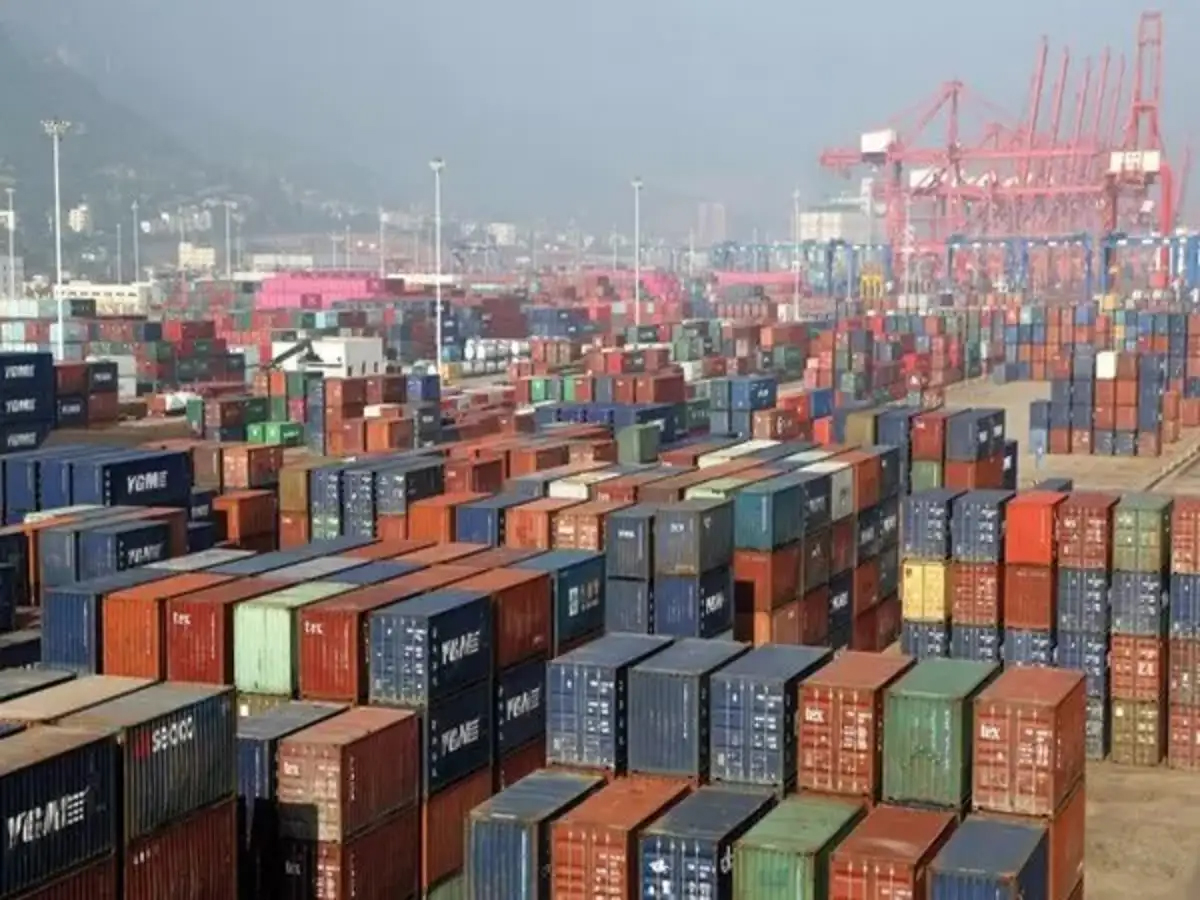
The US action, coming from a President who has long championed protectionist policies, is a stark reminder of the weaponization of global trade. By linking tariffs to a sovereign nation’s energy policy, the US is sending a clear message: economic interdependence can be a tool of foreign policy coercion. For a country like India, with its rapidly growing economy and immense energy needs, this is a dangerous precedent. The tariffs, which apply to approximately 55% of India’s exports to the US, threaten to severely impact crucial sectors such as textiles, gems and jewelry, leather goods, and even auto parts. The Federation of Indian Export Organisations (FIEO) has warned that this will place Indian exporters at a significant competitive disadvantage, potentially leading to job losses and a hit to the nation’s GDP.
The Indian government’s response has been one of defiance and measured resolve. The Ministry of External Affairs has rightly called the tariffs “unfair, unjustified, and unreasonable,” emphasizing that India’s oil imports are driven by market factors and are essential for the energy security of its 1.4 billion people. The government has also pointed out the “double standards” at play, noting that other countries, including some in the EU, have also continued to trade with Russia. This is not a matter of siding with one bloc against another, but a matter of national interest and economic survival. India’s history of non-alignment has always been a policy of strategic autonomy, not neutrality, and this crisis validates that approach.
The path forward for India is clear: it must reduce its dependence on the US market and strengthen its economic resilience. This requires a multi-pronged strategy that looks both outward to new markets and inward to its own economic strengths.
Way Forward: Diversification, Collective Action, and Self-Reliance
1. Strategic Diversification of Trade Partners: The most immediate and critical step for India is to accelerate its trade diversification efforts. This means moving beyond the US and forging stronger trade ties with other major economies. The ongoing negotiations for a Free Trade Agreement (FTA) with the European Union are more crucial than ever. A successful deal with the EU, an economic behemoth, would provide a massive new market for Indian exports and help offset the losses from the US tariffs. Similarly, India’s recently concluded trade deals with the UK, Australia, and the UAE must be leveraged to their full potential. This is a moment for India to aggressively pursue new FTAs, particularly with countries in Southeast Asia, Africa, and Latin America.
2. Leveraging the BRICS Bloc: The US tariff policy has inadvertently pushed India closer to its BRICS partners—Brazil, Russia, China, and South Africa. This grouping, which has recently expanded, is emerging as a crucial platform for collective action against protectionist trade policies. The BRICS nations have a shared interest in creating a more multipolar world order and challenging the dominance of the US dollar.
○ De-dollarization: The tariffs have given a new urgency to the BRICS agenda of de-dollarization. Russia, in particular, has been a strong proponent of this, and the use of national currencies for trade within the bloc has already expanded significantly. The push for a common BRICS currency for trade, while a long-term goal, is now seen as a vital step towards insulating member countries from US sanctions and financial coercion.
○ New Development Bank (NDB): The NDB, the BRICS-led alternative to the World Bank, is another crucial tool. It provides a reliable source of funding for infrastructure and sustainable development projects within member countries, reducing their dependence on Western financial institutions. For India, the NDB’s funding for projects in clean energy and infrastructure provides a crucial financial lifeline, especially at a time when its relationship with the US is strained.
○ A Revived India-Russia-China (RIC) Trilateral: While the relationship between India and China remains complex due to border disputes, the shared experience of being targeted by US trade policy provides a new impetus for cooperation. The Russia-India-China (RIC) trilateral mechanism, which has existed for years but has been largely dormant, could be revived to coordinate responses on issues of mutual concern.
3. Strengthening Domestic Economic Policies: India must also look inward to build a more resilient and self-reliant economy. The government’s “Districts as Export Hubs” initiative, which aims to identify and promote products with export potential in each of the country’s districts, is more relevant than ever. This initiative, along with a new ₹20,000 crore export promotion mission, will help support small and medium-sized enterprises (MSMEs) and find new international buyers. The government must also explore financial assistance and affordable credit for exporters to help them weather the storm. Measures like providing relief in customs duties and accelerating GST refunds can also help improve their competitiveness.
Conclusion
The US tariffs are a wake-up call for India. They highlight the fragility of a globalized world where economic leverage can be used as a political weapon. While the immediate impact of the tariffs will be painful, this crisis presents an opportunity for India to chart a new course. By strategically diversifying its trade partners, leveraging the collective strength of the BRICS bloc, and strengthening its domestic economic policies, India can reduce its dependence on the US and solidify its position as a truly autonomous and influential global power. This new path is not a rejection of Western partnerships but a re-affirmation of India’s commitment to its own national interests, its energy security, and its vision of a multipolar world. The global trade system is at a crossroads, and India’s response will have a profound impact not only on its own future but on the future of international relations as a whole.
( BY RAHUL KUMAR)
—— Forwarded Message ——
From: “DIVYA DRISHTI” <rahul1sohal@gmail.com>
To: “Neeraj Rohmetra” <editor@dailyexcelsior.com>
Sent: 8/7/2025 3:08:25 PM
Subject: 50% Tariff US
 Follow our WhatsApp channel
