

Ms Manu Kotwal
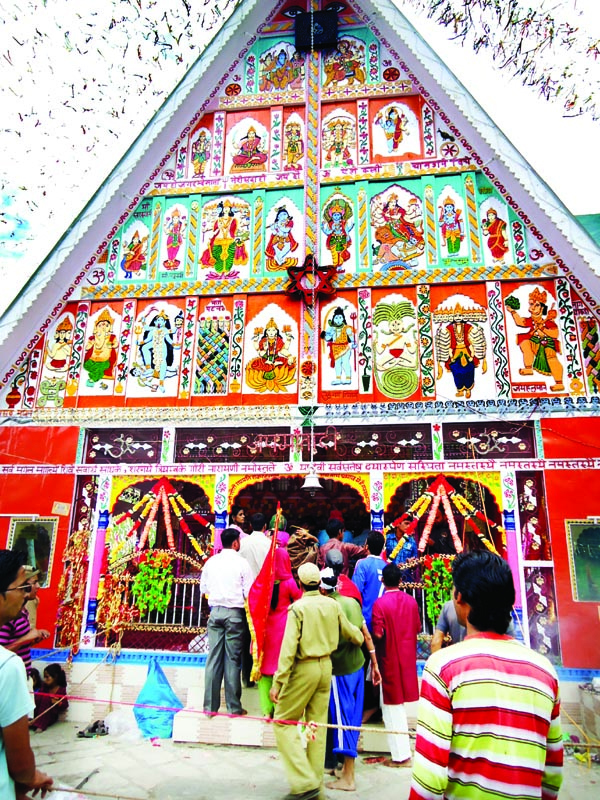
The Machail Mata shrine, central to the celebrated Machail Yatra, traces its origins to a compelling blend of history, legend, and local devotion that spans centuries. Delving deep into its roots, the shrine emerges not only as a focal point of faith, but as a catalyst for social change and cultural unity in the high valleys of Kishtwar, Jammu & Kashmir.
Historical and Legendary Origins
According to the most prominent legend, Goddess Chandi—considered a fierce and benevolent manifestation of Goddess Durga—appeared at Machail “long ago” in the form of a shila or pindi (sacred stone) to bless the simple and helpless people of the remote Paddar valley. The origins of the shrine involve the goddess relocating from her ancient home at MindhalBattas in present-day Himachal Pradesh. Many local traditions recount that she was moved by the suffering of the people in Paddar, and thus settled at Machail to offer protection and guidance.
Another enduring story credits the genesis of the temple to a dream: a local shepherd reportedly saw the goddess in his sleep, instructing him to enshrine her stone form in the valley. This blend of folk belief and direct spiritual instruction underscores the intensely personal relationship between the goddess and her devotees.
The shrine’s history also intersects with significant historical personalities. General Zorawar Singh Kahluria, the celebrated Dogra general, sought the blessings of Machail Mata in 1834 before launching his expedition to conquer Ladakh. Following his successful campaign, he became a devoted follower, further cementing the temple’s reputation for divine protection and power. Such tales resonate deeply with local and visiting pilgrims, reinforcing the legitimacy and sacred stature of the shrine.
Sacred Geography and the Union of Divine Energies
The shrine is situated at an elevation exceeding 8,000 feet, surrounded by majestic mountains, thick forests of deodar, and lush meadows close to the famed sapphire mines of the region. The Machail shrine is not only the abode of Goddess Chandi but is celebrated as a site where the union of Shiva and Shakti is manifest. On the opposite hill, the “Shiv Pahad” provides a natural lingam (phallus symbolizing Shiva), visible to pilgrims during the yatra, echoing ancient themes of divine consortship unique to this location. This majestic pairing is accompanied by idols—most notably, the iconic lion-mounted Goddess Chandi and Goddess Lakshmi, crafted from pure silver or marble, captivating devotees upon entering the sanctum.
To this day, the area remains replete with an aura of mysticism and divine presence—its isolation in the high Himalayas further intensifies its spiritual ambience.
Revival and Modern Evolution of the Yatra
While Machail has likely been a locus of local devotion for centuries, the organized annual pilgrimage—known as the Chhari Yatra (Procession of the Holy Mace)—was revived in the late 20th century. Thakur Kulveer Singh of Bhaderwah is credited with formalizing the yatra when, after his visit to the shrine in 1981, he began the Chhari procession tradition in 1987. This move transformed the yatra into a large, well-organized pilgrimage drawing tens of thousands each year.
The holy mace, or chhari, holds symbolic significance: it represents both the presence of the goddess and the shared religious journey. The chhari sets out from the Mahalaxmi Mandir in Pacca Danga, Jammu, traverses through Bhaderwah and Kishtwar, and finally reaches Gulabgarh, the road-head base for the yatra. From here, devotees undertake the 30–32 km uphill trek on foot, by pony, or occasionally by helicopter. Communities along the path offer sustenance and hospitality through langars (free kitchens), and halt points at religious and logistical way-stations.
The yatra, formally commencing in late July and culminating in early September, is timed to coincide with ancient local festivals. On the day of the goddess’s darshan, the temple—typically kept closed—reopens with elaborate rituals, fire offerings, devotional music, and folk dances in the local Padhri language, infusing the event with regional cultural flavor.
Rituals, Social Significance, and Continuing Traditions
The core rituals focus on worshipping the stone pindi of Chandi Mata, performing havans (fire sacrifices), singing devotional hymns, and conducting the “Dhooptalna” or “man ki bat boojhna”—a sacred exercise where devotees pour out their personal wishes and burdens, confident in the tradition that the goddess will address their troubles.
The Machail Yatra stands out not only for its spiritual depth but for its transformative social message. The goddess is believed to advocate a rejection of social evils—smoking, drinking, and mutual hostility—to foster a harmonious and virtuous society. The pilgrimage thus becomes an annual renewal, not just of faith, but of ethics and communal solidarity. The inclusivity of the pilgrimage is further highlighted by the participation of diverse regional communities, including Muslims and Buddhists, who line the route to welcome the chhari and pilgrims, a vibrant symbol of secular brotherhood.
Cultural and Artistic Heritage
The physical shrine itself is a repository of unique artistic heritage. The key idols of Goddess Chandi and Lakshmi embody traditional iconography and are made from precious materials, indicating historical patronage and deep reverence. The design of the shrine, usage of space, and the sacred pindi are consistent with ancient Himalayan temple architecture—distinct from the plains and drawing on local building styles adapted to altitude and severe weather.The pilgrimage also preserves intangible cultural assets: hymns and folk songs in the Paddri dialect; daily rituals and customs woven into the schedule of the trek; and the art of organizing massive communal kitchens and temporary accommodations amid challenging mountain terrain. The Machail Yatra helps sustain these regional traditions by necessity and by intention, creating a living museum of Paddar valley culture that renews annually with the influx of pilgrims.
Practical Aspects and Pilgrim Experience
The journey today includes carefully managed registration procedures, with both online and offline options, to handle the large influx of pilgrims and ensure their safety. Pilgrims are urged to prepare for steep climbs, unpredictable weather, and high altitudes by building their physical fitness and carrying suitable gear. The ecosystem is fragile, and participants are instructed to respect the environment and local customs.The pilgrimage essentially re-enacts, each year, the mythic journey of the goddess herself—from urban heartlands to remote high-altitude sanctity—mirroring her fabled migration for the good of the village folk. The return procession with the chhari marks the close of the yatra, sending pilgrims home with renewed faith and often a sense of deep inner peace.
Enduring Spiritual Power and Modern Relevance
For the people of Kishtwar and those far beyond, Machail Mata is not just a local goddess, but a living embodiment of shakti (divine energy), sanctified by both ancient legend and tangible miracle. Pilgrims credit her for personal blessings, the resolution of domestic disputes, good health, and family welfare. The ethos of the yatra—rejecting divisiveness, supporting charitable works, and elevating mind and spirit—resonates powerfully in an era where traditional values are frequently under strain.In recent decades, the Machail Yatra has emerged as one of North India’s largest and most inclusive pilgrimages, second in the region only to the Vaishno Devi pilgrimage in scale and popularity. Its mix of iconic high Himalayan pilgrimage, social harmony, and commitment to both tradition and modern logistics ensures that the journey will continue to be a central part of the religious and cultural landscape of Jammu & Kashmir for generations to come.
In summary, the Machail Mata shrine is not a mere destination but the spiritual heart of an evolving legend, sustaining its devotees through centuries of change. Its stories and practices represent the enduring human search for the sacred, the power of community, and the kinship between humanity and divinity fostered through shared faith, enduring hardship, and the annual miracle of the yatra.
(The author is I/C, Cartography Section Deptt of Soil and Water Conservation , J&K, Jammu)
 Follow our WhatsApp channel
