

Amit Sharma
Across India during traditional kite festivals like Uttarayan (Makar Sankranti) and Independence Day, the skies teem with vibrant kites. But beneath this festive color lies a grim reality: thousands of birds are injured or killed each year by sharp kite strings-particularly the synthetic, glass-coated nylon called manja.
What Is Manja-and Why Is It So Dangerous?
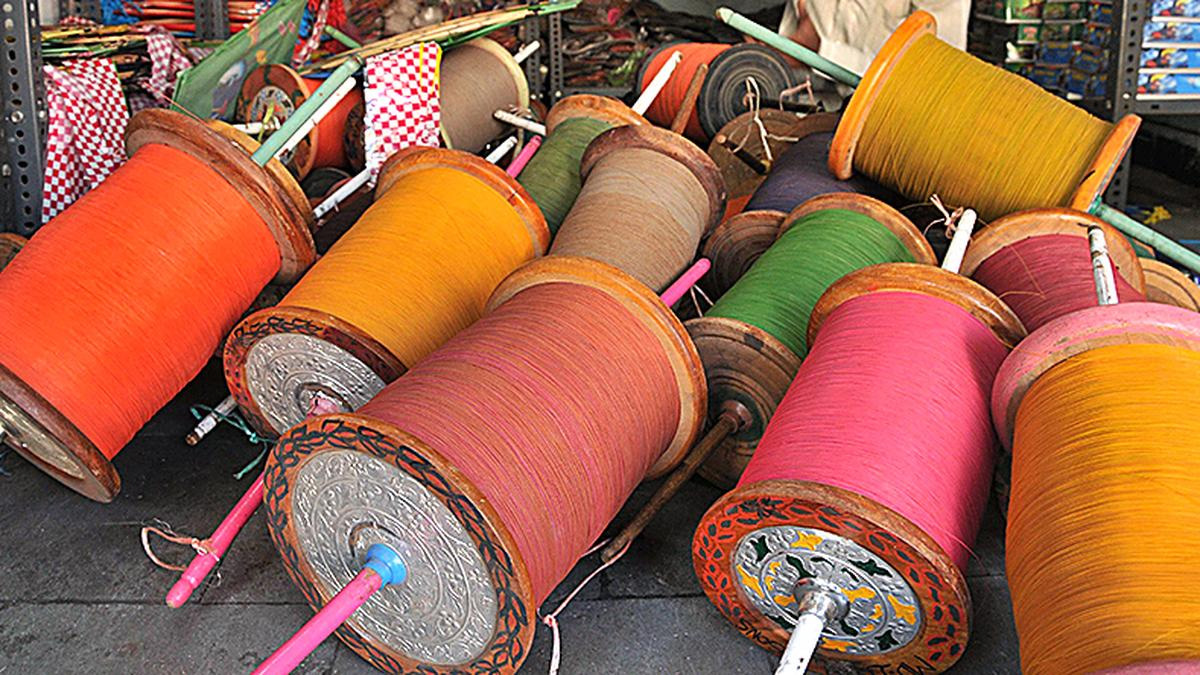
Manja is a thin synthetic string made of nylon or plastic, often coated with powdered glass or metal to make it razor-sharp. Though prized by kite-fliers for its ability to slice through opponent kites during competitive kite-fighting, the very quality that makes it effective makes it deadly for wildlife: the string can cut through flesh, wing bones, feathers, or claws when birds collide with it or become entangled .
Traditional cotton thread is soft and biodegradable-but manja is non-biodegradable, remains in the environment for months, and continues to entrap wildlife long after festivals end. Discarded thread gets stuck in trees, poles, power lines, and even building rooftops, posing a persistent hazard .
Nationally, reports suggest that over 8,000 birds have died due to manja in the past seven years, while rescue efforts during this period involved treating 80,000-85,000 birds, of which around 75,000 survived and were released .
Species most commonly affected include black kites, pigeons, crows, barn owls, parakeets, herons, and even endangered migrants such as bar-headed geese, vultures, and flamingos.
How Birds Are Hurt
Birds get entangled in loose kite strings suspended on trees, poles, or power lines; they may also hit flying strings during flight. The coated manja cuts deeply into their wings or legs, causing lacerations, nerve damage, fractures, or strangulation. In many cases, the wires embed deep into flesh or break fragile bones that cannot regenerate. If rescuers arrive late, birds may starve or succumb to infection .
Veterinarians often need to perform delicate surgeries: setting pin-based implants in wing bones or even feather implants to repair clipped wings. Even after surgery, many birds lose their ability to fly and must remain in captivity indefinitely .
Legal Bans, Enforcement Gaps
The National Green Tribunal (NGT) banned the use, sale, manufacture, and storage of synthetic or glass-coated manja in 2017. This ruling was upheld by the Supreme Court. Many states, including Karnataka, made violations punishable under the Environmental Protection Act of 1986 .
Several cities-such as Mumbai, Jaipur, Amritsar, Bareilly, Chennai, and Delhi-have imposed local bans, enforced by police crackdowns and awareness campaigns .
In Delhi alone, authorities recently seized over 1,100 rolls of illegal Chinese manjha and arrested two individuals ahead of Independence Day celebrations . Meanwhile, Delhi’s Directorate of Education has instructed schools to educate students about the risks and enforce the ban on synthetic threads .
Rescue and Rehabilitation Efforts
Multiple NGOs and wildlife groups mobilize during the festival season:
Jivdaya Charitable Trust (Ahmedabad, Gujarat) organizes its “Save the Birds” campaign each January, dispatching over 50 veterinarians annually. In 2019 alone they treated 945 birds over just two days, while overall treating 2,390 birds, of which 490 died .
The Wildlife Trust of India (WTI) / IFAW’s Emergency Relief Network collaborates with local partners in Gujarat and Rajasthan, setting up veterinary camps and removing discarded threads. One camp in Jaipur treated over 500 birds, including peacocks, egrets, cranes, and owls .
Wildlife SOS operates 24×7 helplines across regions (Delhi, Gujarat, Jammu & Kashmir, etc.) and has trained rescue teams equipped with telescopic poles and ladders to reach birds as high as 80 feet .
What Communities and Authorities Can Do
To reduce harm, experts recommend:
Using only plain cotton thread, which is soft, biodegradable, and less harmful.
Avoiding kite flying during bird peak activity times, such as early mornings and dusk.
Properly disposing of used strings and kites so they don’t remain tangled in trees or wires.
Raising awareness campaigns in schools, housing societies, and kite-flying communities.
Strengthening ban enforcement, launching hotlines to report sales, and penalizing illegal vendors .
Why It Matters
The crisis is both ecological and ethical. Urban and migratory bird populations-including threatened species like vultures and bar-headed geese-face severe distress every January simply because of a recreational activity gone uncontrolled.
Moreover, manja threads harm not just birds but also human beings-many have suffered deep cuts to the neck, hands, or face, or may hill a human being.
Conclusion
While kite festivals are an important part of India’s cultural fabric, the soaring fun comes at a grave cost to wildlife. The sharp synthetic manja thread turns simple play into a lethal trap for birds and other animals.
What’s needed is a collective commitment:
Festivals with compassion, where kite-fliers choose cotton thread and avoid high-risk times or areas.
Stronger enforcement of existing bans on harmful strings.
Support for rescue organizations, and public awareness to care for all creatures that share our skies.
Only then can India celebrate with color in its skies-not pain beneath it.
 Follow our WhatsApp channel
