

Ranbir Singh Pathania
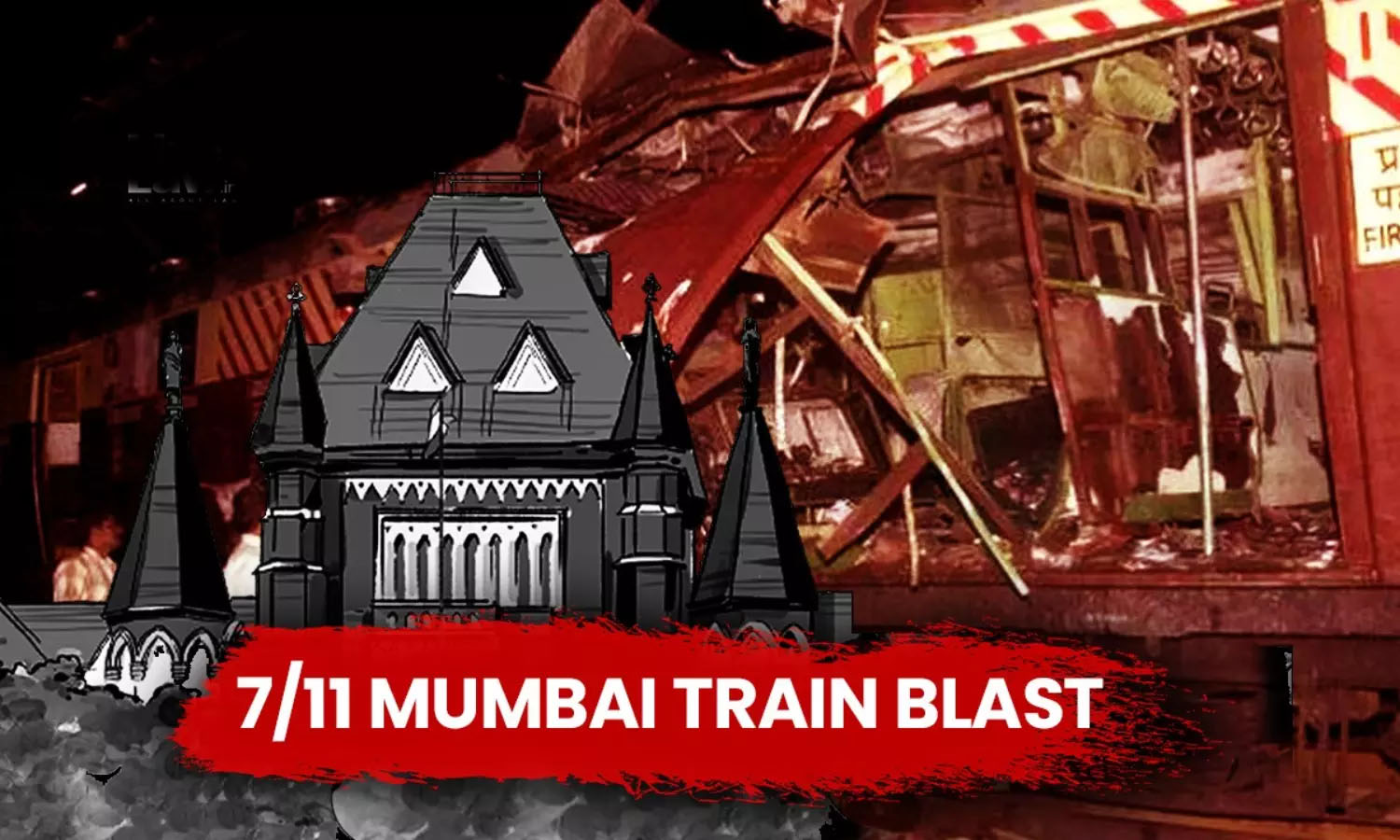
“Creating a false appearance of having solved a case gives a misleading sense of resolution.”These scathing words from the Bombay High Court while acquitting all 12 accused in the 7/11 Mumbai train blasts case are not merely a rebuke of law enforcement-they are a wake-up call for the entire nation, especially Jammu and Kashmir.
Terrorism is not just a regional scourge anymore; it’s a global taboo. And while India has emerged as a decisive voice against terrorism under Prime Minister Modi’s leadership, the failure of the justice system in one of India’s worst terror attacks of the 2000s shows how fragile the scaffolding of our anti-terror jurisprudence still is.
Despite stringent laws like MCOCA and UAPA, the Mumbai case collapsed after 17 years due to:
Confessions extracted under duress
Faulty Test Identification Parades (TIPs)
Questionable forensic evidence
Broken chain of custody
Lack of independent corroboration
And most damningly, a systemic misleading of the courts and public
The case wasn’t just about failed prosecution-it was about a dangerous culture of convenient closure, where justice is sacrificed at the altar of public perception and political expediency.
This is precisely the moment for J&K to pause, reflect, and reboot.
—
J&K’s Terror Files: A Catalogue of Justice Denied
1. Pulwama Attack (2019): 40 CRPF personnel were killed. A detailed NIA chargesheet exists, but no trial has started.
2. Wandhama Massacre (1998): 23 Kashmiri Pandits slaughtered. CBI investigation led nowhere. No convictions.
3. Nadimarg Massacre (2003): 24 Pandits shot dead in Pulwama. All accused acquitted due to lack of evidence.
4. Dhangri Attack (2023): 7 civilians killed in Rajouri. No chargesheet, no arrest, no closure. NIA frames charges against two locals under IPC/UAPA. But principal perprators still evading arrest.
5. Sunjwan Army Camp Attack (2018): 6 soldiers killed. The trial remains in limbo.
6. Lethpora IED Blast (2005): 5 CRPF men martyred. Suspects released. No prosecution followed.
7. Anantnag Cop Killings (2022): 2 policemen killed. FIRs, but no accountability.
These are not just lapses-they are institutional failures that collectively erode public faith in justice and embolden terror handlers across the border. They mirror the same weaknesses exposed in Mumbai’s 7/11 case: botched investigations, lack of professionalism, politicised policing, and total absence of victim-centric justice.
From Martyrdom to Mechanism: How Narrative Reset in J&K
But things are changing-and fast.
Bharat Sarkar with “zero tolerance for terror” has moved from being a slogan to a state policy.
Crackdowns on hawala networks and terror-ecosystem enablers have dried up militant financing.
Media houses acting as soft-separatist platforms have been dismantled.
Funerals for terrorists-once spectacles of separatist sentiment-are no more seen now.
The “healing touch” has shifted focus to the victims, not the perpetrators.
The idea of a “Martyrs’ Day” that glorified anti-India elements has been dumped into history’s bin.
Above all, the people have responded. No more ‘permissible’ and ‘impermissible’ terror. No more stone pelting. Security indicators have improved exponentially. Tourist footfalls are up. Confidence is back.
The new J&K narrative isn’t about victimhood; it’s about vindication. It isn’t about lost years; it’s about new beginnings.
The Road Ahead: Reform, Rebuild, Reclaim
Yet, this rejuvenated climate must be institutionalised.
J&K cannot afford another Nadimarg or Pulwama without closure. Justice must be swift, scientific, and unassailable.
We must learn from Delhi’s post-Nirbhaya reforms, from Vishakha’s case on workplace safety, from Kolkata’s RG Kar Medical College outrage.
All were grim moments that triggered systemic change.
The 7/11 case, too, can be that moment for us-if we act.
The message is loud and clear:
Overhaul investigative agencies.
Modernise forensic labs.
Train prosecutors and judges in terror law.
Protect witnesses like we protect borders.
Hold errant officers accountable.
Let us not build our justice system on the bones of failed cases and forgotten victims. Let us not become Mumbai of 7/11.
Conclusion: Reclaiming J&K with Iron Resolve
Now it’s up to the people of Jammu and Kashmir to match stride with this new vision.
Let us stand guard-not just at our borders but within our courts, institutions, and conscience.
Let us raise our voices-not just in grief, but in governance.
Let us organise, mobilise, and sterilise our society of the last remnants of sympathy for violence.
Let us fight this war-not just with guns, but with grit, governance, and the grandeur of law.
Until terrorism is driven out of J&K-lock, stock, and barrel.
(The Columnist practises law in J&K High Court of Judicature. Is Member of J&K Legislative Assembly)
 Follow our WhatsApp channel
