

The visit of the Union Agriculture Minister to Kashmir has reaffirmed the Central Government’s strong intent to transform J&K into a global horticulture powerhouse while simultaneously placing rural women at the heart of economic rejuvenation. His announcements, aspirations, and emotional reflections during the convocation at SKUAST-K and the “Lakhpati Didi Sammelan” in Srinagar point to a transformative roadmap for the UT-one that hinges on both harnessing the region’s unique agro-climatic advantage and mobilising its human capital, especially women.
J&K is often hailed as the “crown jewel of India,” and not without reason. The region’s climate is one of the finest in the world for the cultivation of high-value horticultural crops like apples, walnuts, almonds, cherries, pears, and prized saffron. Its produce is renowned not just in domestic markets but also holds significant potential in international trade due to its exceptional quality, taste, and visual appeal. Unfortunately, despite these natural advantages, J&K’s presence in global horticulture markets remains limited. Past attempts like collaborations with international retail chains in the UAE were steps in the right direction but fell short of creating consistent and large-scale export channels.
The key bottleneck lies in logistics. The perishable nature of horticultural goods, inadequate cold storage infrastructure, high transportation costs, and J&K’s geographical distance from major export ports have impeded its full market potential. However, the tide appears to be turning. The much-anticipated extension of the railway network to Kashmir has opened up a new realm of possibilities. Cheaper and more efficient transport options will significantly cut down delivery time and cost, thus improving the global competitiveness of J&K’s produce.
Simultaneously, the establishment of a Rs 150 crore Clean Plant Centre under the Mission for Integrated Development of Horticulture is a welcome development. This initiative will provide disease-free, high-quality planting material and address one of the critical requirements for export compliance-plant health certification. Many developed countries follow strict quarantine protocols, and virus-free plant material is the baseline for meeting those standards. The availability of clean planting stock will not only improve crop yields but also elevate the standard and acceptance of Kashmir’s produce in premium markets abroad.
Yet, no transformation is possible without grassroots participation, and this is where the role of youth and women becomes vital. With SKUAST-K earning accolades as one of the top agricultural universities in India, and hundreds of agri-graduates passing out every year, there is immense intellectual capital waiting to be tapped. These young professionals, armed with technical knowledge, should be incentivised and supported to establish agri-startups, food processing units, and supply chain enterprises. Government schemes offering financial and technical assistance are in place, and what is now needed is proactive outreach and mentorship to convert these ideas into viable businesses.
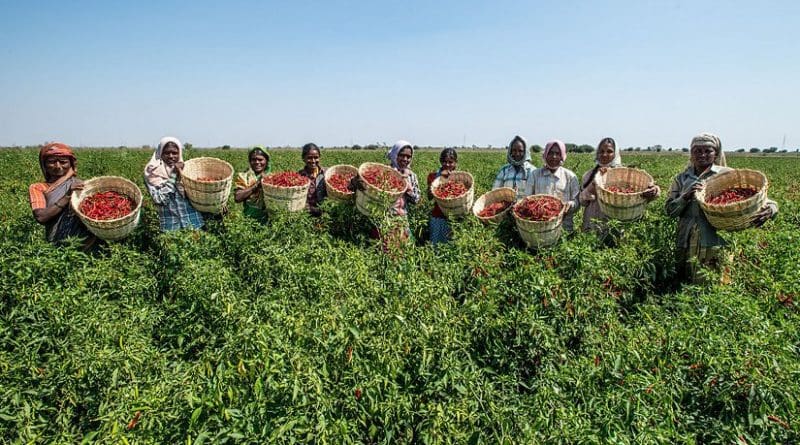
Equally significant is the focus on women’s empowerment through initiatives like the National Rural Livelihood Mission and the ‘Lakhpati Didi’ program. As highlighted, many women in the region are already earning over Rs 1 lakh annually through self-help groups, producing local goods like pickles, jams, dried fruit products, and traditional crafts. The next milestone-creating women entrepreneurs with incomes exceeding Rs 10 lakh-will require scaling up these micro-enterprises, improving market access, and facilitating branding and packaging support. SHGs have the potential not just to generate income but also to act as powerful platforms for collective social and economic empowerment. The ripple effects are many. When women earn, they invest in their children’s education, family health, and community well-being. One successful entrepreneur can inspire ten others, creating a chain of upliftment that ultimately transforms the socio-economic fabric of entire villages.
The Central and UT Governments seem aligned and focused on this multi-pronged strategy. While challenges remain, particularly in scaling infrastructure and breaking into global markets, the vision laid out is promising and actionable. With the right mix of policy support, local initiative, and public-private collaboration, J&K can indeed become a global horticulture hub.
 Follow our WhatsApp channel
