

Rabinder Shekhar
In a rapidly urbanizing world, the value of green patches-whether parks, gardens, forests, or small vegetated areas or roads-has never been more significant. These patches of greenery, often overlooked amid skyscrapers and infrastructure, play a crucial role in maintaining environmental balance, enhancing public health, and improving the overall quality of life. They are the real engines of healthy environment. We go out for a walk but in absence of these, our all walk is futile. Nature has done a wonderful work by blessing the plants to produce oxygen and take away waste carbon dioxide from human beings and give us the life. The green patches have a number of benefits which we all know but what we do with these flora and fauna, is a suicidal act. I count a few of the benefits of green vegetation hereunder: –
Environmental Benefits: Green patches act as the lungs of cities and rural areas alike. They absorb carbon dioxide and release oxygen, improving air quality and mitigating the effects of pollution. Trees and plants in these areas also reduce urban heat island effects by cooling surrounding areas through shade and evapotranspiration.
Moreover, green patches aid in biodiversity conservation by providing habitats for birds, insects, and other wildlife. Even small pockets of greenery can become vital refuges for native species, especially in heavily built-up environments.
Green spaces help in reducing air pollution: By absorbing the harmful gases, plants are then able to release oxygen into the atmosphere. Producing oxygen helps to combat the harmful effects of air pollution. By having green spaces in urbanized areas, plants and greenery are providing us with higher-quality air. The vegetation in green spaces has the effect of purifying air, and the vegetation generally reduces PM10,2.5 in three ways: deposition, retention, and adsorption. Studies have shown that trees in urban areas can reduce air PM10 concentration by 0.2-1.0% annually.
Water Management and Soil Protection: Vegetated areas help in managing storm water runoff. By allowing rainwater to infiltrate the ground, they reduce the burden on drainage systems and help recharge groundwater tables. The roots of plants also bind the soil, preventing erosion and maintaining land fertility.
Health and Well-being: Numerous studies have shown that exposure to green spaces reduces stress, enhances mood, and promotes physical activity. Parks and community gardens provide spaces for exercise, recreation, and social interaction-essential components of mental and physical health.Access to green patches has also been linked with lower rates of respiratory and cardiovascular diseases, as well as improved cognitive development in children.
Aesthetic and Economic Value: Green spaces enhance the beauty of any landscape. They increase the aesthetic appeal of neighborhoods and can even raise property values. In commercial areas, well-maintained green patches attract more visitors and encourage longer stays, boosting local economies.
Climate Resilience: As the climate crisis intensifies, green patches serve as buffers against extreme weather. They provide shade during heatwaves, reduce flood risk during heavy rainfall, and help sequester carbon. Their role in making cities more resilient to climate change is both immediate and long-term.
Keeping us calm: Some scientists and researchers also believe that because our eyes are at the peak of their perception to detect the wavelengths corresponding with the color green, the shade may calm us down. With less strain to perceive the colors, our nervous system can relax when perceiving the tone.
This sedative quality of green may explain why there is so much of it in hospitals, schools and work environments. Historically, actors and actresses would recess to green rooms after so much time looking into bright lights on stage, though modern “green rooms” are rarely painted green.
After the eight-year study was completed, the data revealed that participants who lived in the greenest areas had a 12% lower death rate than women living in the least green areas. With more green space, study authors said, came more opportunity to socialize outdoors. Additionally, the natural settings – compared with residential regions where plants and greenery were sparse – proved to be beneficial to mental health.
“We were surprised at the magnitude of the mental health pathway,” said Peter James, study author and research associate at the Harvard Chan School’s Department of Epidemiology. Of those who did not live in greener areas, respiratory issues were the second highest cause of death. The study indicated that less exposure to polluted air may have been one of several reasons for increased life expectancy among those who lived in green areas.
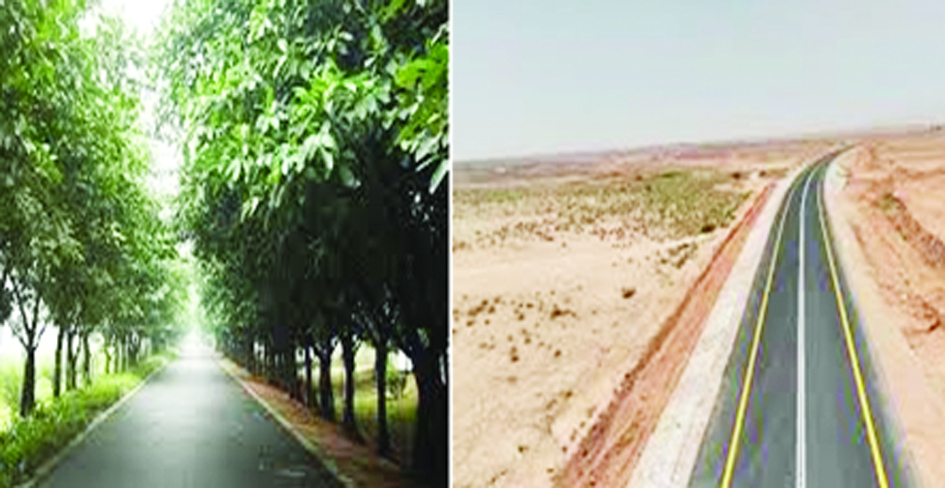
Our ancestors lived their entire lives outdoors. The benefits we stand to gain from adopting an outdoor mindset could have a positive impact. “We know already that vegetation can help mitigate the effect of climate change. Green patches are more than just visual relief from concrete-they are vital for a sustainable and healthy future. Urban planners, governments, and communities must prioritize the preservation and expansion of green spaces. Whether through rooftop gardens, tree-lined streets, or protected natural reserves, every effort counts toward creating a livable planet for future generations. Think, what we are doing today, scrapping all vegetation and green patches in the name of development. Is this sustainable development? is the question. Everywhere huge mega projects of road work and infrastructure is coming up, damaging and removing the green belt. How can we justify all these? The deployment at the risk of human lives cannot be accepted. What is use fun of the development when generations will have to pay with their lives.
 Follow our WhatsApp channel
