

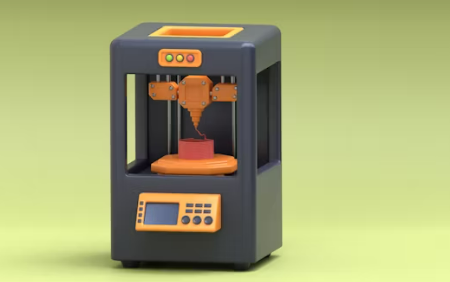
Picture ordering your burger and then having it ‘printed’ on your plate. There is no need for a farm, factory, or truck. All you require is a small device alongside a tube filled with food paste, which constructs your meal layer by layer. 3D food printing might look fun, but it can be a game-changer for tackling world hunger in an eco-friendly manner.
Reducing Food Waste Through Custom Portions
Anyone who has visited a buffet-style restaurant can tell you that there is an enormous amount of food waste in the form of half-finished meals or completely untouched plates. With the advent and commercial usage of 3D printing technology, meals can now be tailored to each individual’s appetite. Like choosing the right casino online real money platform, it’s all about precision, personalization, and avoiding unnecessary losses. No surplus food means zero waste and no discarded food-value nutrients that go unutilized.
Now, meals can be tailored to specific age brackets. Children can now be served in tailored sizes, considering their age and dietary requirements. Meals can also be designed for elderly patients in rehabilitation centers, considering their nutritional restrictions. Smart food aids your body and safeguards the environment. Plus, farms will not be required to produce surplus food to rot. One printer can be used for one meal, zero waste.
Local Production Without Supply Chains
Global hunger does not occur simply due to a lack of food resources. In certain situations, food access is an obstacle too significant to overcome. 3D printing technology has the potential to solve these types of problems. Large-scale farms and trucks are not needed. Only a printer, ingredients, and power are necessary. Here’s how 3D printing assists:
- People have access to food everywhere, even in deserts or war zones.
- Long-lasting ingredients mean no refrigeration or time-consuming trips.
- The lack of packaging causes lower costs and, hence, the lack of plastic.
- No extra steps in the process, just basic components transformed into full meals.
People already use these concepts quickly, efficiently, and effectively when traditional methods fail.
New Possibilities in Emergency Nutrition
In times of crisis, meals do much more than provide nourishment—they sustain hope. 3D printing technology is shifting aid to the next level. Just like Melbet Instagram India works seamlessly during peak sporting events, this technology enables fast and precise food distribution where it is needed most. In the case of printed meals, they significantly improve the quality of aid given in active war zones, post-earthquake, or post-flood. Aid can now be offered with speed, care, and, most importantly.
Instant Meals for Disaster Zones
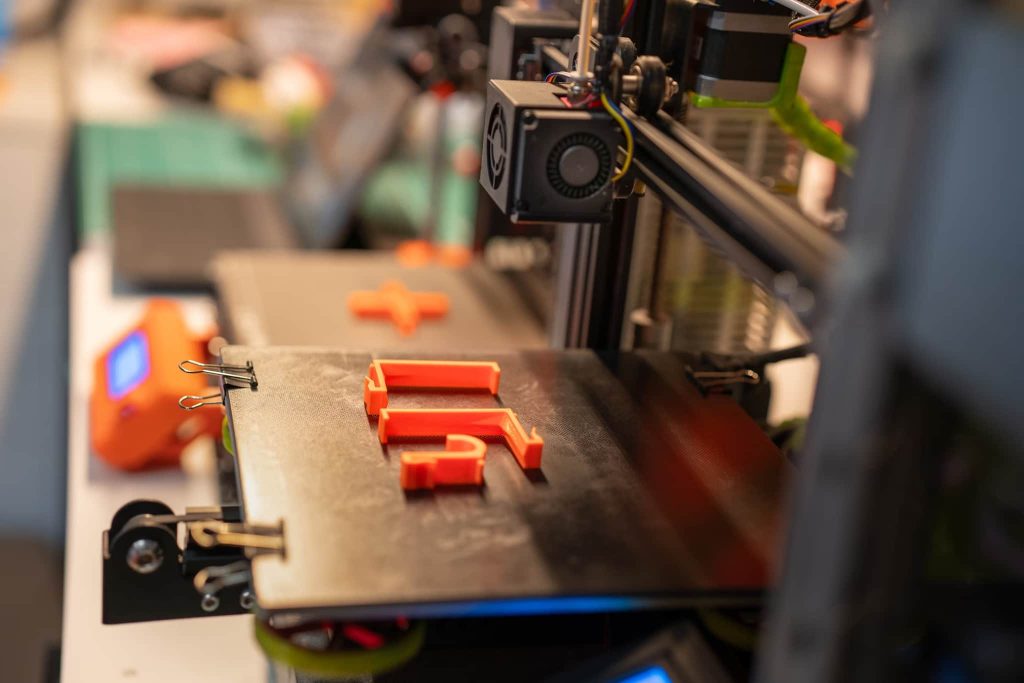
Old methods of providing aid take too long. Trucks get stuck in traffic, and people go hungry. 3D printers make food on-site instantly. There is no longer a need for extensive food storage facilities or days of waiting. All required is to blend food components, create via printing, and serve fresh.
These meals aren’t basic, either. They are flavor-rich, packed with all the nutrients required for recovery, and tailored to the individual’s needs in precise portions. They’re the result of advanced technology replacing centuries-old supply systems. Imagine providing warm, delicious meals to hurricane survivors in the aftermath.
Tailored Nutrition for Refugees
When serving meals in refugee camps, one size does not fit all. Kids, pregnant women, and elderly people eat differently. 3D printing technology changes the game by creating personalized meals using smart data and nutrient information. It’s not just about giving people food; they are being nourished and healed.
Each meal can be adjusted: iron-rich diets for moms with anemia, higher calories for active teens, and softer diets for recovering babies. Locally made food also observes cultural preferences and flavors. Instead of being fed, refugees receive tailored nutritional care, fostering recovery—food crafted with deep precision and honest intention to heal.
Sustainability with Fewer Resources
We don’t need giant farms to fight hunger anymore. No plowing, no pesticides, and no lots of water. We only require a design, a cartridge, and nutrient-rich food paste. 3D food printing replaces big farms with something cleaner, more innovative, and more efficient.
Imagine this: dry farms replaced by powdered legumes that last for two years. Meat made from plants without hurting animals or using lots of water. This is not cutting corners—it’s removing what is not needed. It lowers pollution and waste. It helps feed more people without hurting the planet.
From Innovation to Nourishment: The Future of Food Starts Here
Food doesn’t just have to be printed—it can be made using 3D filament technology. This opens many new ways to create and improve, which is critical for improving how we eat today. As crises calm down, there are no limits to how we can imagine and make food in the future.
 Follow our WhatsApp channel
