

Isha Bharati Pandit
In a world where self-reliance defines the strength and independence of a nation, India has made significant strides with its “Made in India” initiative, particularly in the field of defence. One of the most recent examples of this is Operation Sindoor, a testament to India’s growing capabilities in indigenous defence technologies. This operation, aimed at countering threats across the border, showcased India’s ability to deploy homegrown weapons like the BrahMos supersonic missiles, Akash air defence systems, and D4 anti-drone technology with remarkable precision and success.
The success of these technologies not only reflects India’s commitment to self-reliance under the Atmanirbhar Bharat campaign but also highlights a path for the future-one that students can actively participate in and carry forward. As Prime Minister Narendra Modi rightly pointed out, “The credibility of our Made-in-India weapons was firmly established.” This credibility is not just a point of national pride; it is a call to action for the youth of this nation.
Operation Sindoor is more than a military victory; it is a symbol of what can be achieved when a nation invests in its own capabilities. For students, this operation serves as an inspiring example of innovation, strategic planning, and technological advancement. It is a reminder that India’s strength lies not only in its population but in the skills, talents, and determination of its people-especially its youth.
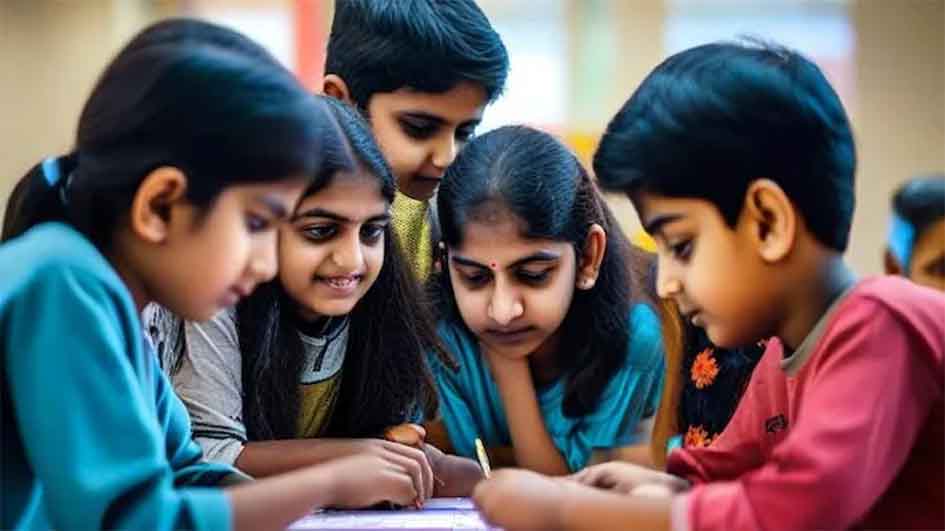
Students can channel this inspiration into activism by promoting the importance of “Made in India” in their communities. They can participate in science and technology clubs, engage in projects that focus on indigenous technology, and even consider career paths in defence research and development. Educational institutions play a vital role in preparing them for this journey. Access to STEM labs and hands-on environments allows students to explore science, technology, engineering, and mathematics. They can experiment with robotics, understand coding, and explore advanced scientific concepts that are the backbone of projects like BrahMos and Akash. Each circuit they complete, every code they write, and every experiment they conduct is a step towards building a stronger, self-reliant India.
India’s vision of ‘Viksit Bharat,’ a developed India, and the dream of becoming a ‘Vishwaguru,’ a global teacher and leader, is not distant. It is a reality young people can help build. By embracing science and technology with curiosity and commitment, they become torchbearers of innovation. Learn, experiment, and lead with pride in the country’s achievements, because the next chapter of ‘Made in India’ could very well have their names on it.
Imagine a future where India not only defends its borders with indigenous technology but also becomes a global leader in arms exports. This vision is achievable if the youth of today embrace the spirit of innovation and work towards technological mastery. By taking inspiration from achievements like Operation Sindoor and supporting “Made in India” initiatives, students can be the torchbearers of change, leading India towards not just self-reliance, but global excellence.
As educators, it is our responsibility to inspire students to dream big and think beyond limitations. National successes like Operation Sindoor are powerful examples of what determination and innovation can achieve. Let this be a reminder that the path to a stronger, self-reliant India is paved with knowledge, activism, and an unyielding belief in our own capabilities. The leaders of tomorrow are in classrooms today; it is time to empower them to take India’s legacy forward.
Together, we can nurture a generation that builds a nation that not only protects its own borders but also inspires the world with its technological prowess and commitment to self-reliance.
(The author is a young educator at a prestigious Institution in Gurugram)
 Follow our WhatsApp channel
