

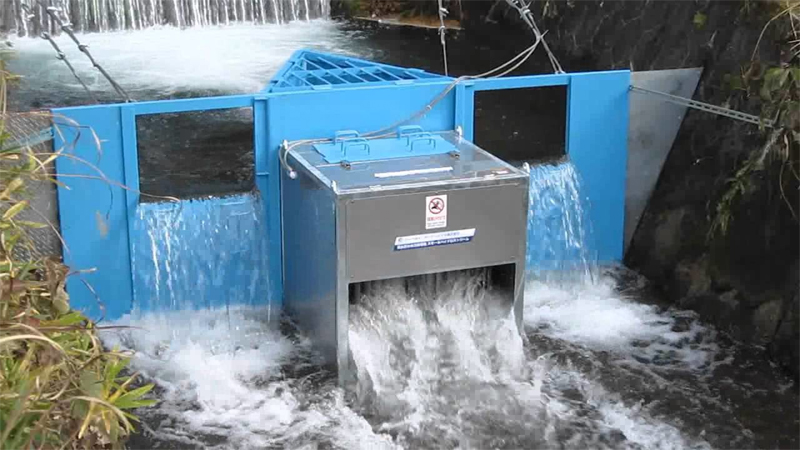
The initiative by the JAKEDA to develop 35 micro-hydroelectric power projects across the Union Territory is a commendable step towards sustainable, decentralised energy generation. With a cumulative generation potential of 60 MW, these projects are poised to redefine the energy landscape of the region-especially in the rural and hilly belts that continue to suffer from chronic electricity shortages and infrastructure gaps. Out of these 35 projects, 22 will come up in the Jammu division, largely in Kishtwar, while the remaining will be implemented in Kashmir. The bifurcation itself reflects a balanced approach to regional development and equitable energy access. Most importantly, the adoption of two implementation models-the Independent Power Producer mode and the Swiss Challenge Method-introduces a framework for private sector participation, transparency, and competitive bidding.
The significance of this initiative must be viewed against the backdrop of J&K’s enormous hydroelectric potential. While over 16,200 MW has already been identified out of the estimated 20,000 MW, much of this remains untapped. Large-scale hydroelectric projects, while impactful, are often slow to materialise and involve significant ecological and social costs. Micro and mini hydropower projects, by contrast, are far more adaptable to the mountainous terrain and small streams of the region, causing minimal ecological disturbance and requiring less capital and time. The harsh reality is that rural areas in Jammu and Kashmir, especially during peak summer and winter months, suffer the brunt of electricity shortfalls. Some hamlets get power for barely a few hours a day, and even that supply is unreliable. In remote areas, the cost of creating a transmission infrastructure to connect with the central grid is prohibitively high and, in certain terrains, virtually impossible. Micro-hydroelectric projects therefore offer a cost-effective and localised solution: generate power close to where it is consumed, and eliminate transmission losses and costs.
Moreover, these projects are economically viable under the IPP model, particularly under the Policy for Development of Micro/Mini Hydro Power Projects-2011. Private players are incentivised to invest in these ventures with manageable risks and good returns. The only potential stumbling block is land acquisition, a common bottleneck in infrastructure development across India. Here, the role of the Government becomes crucial. By proactively identifying land and addressing acquisition challenges-especially in cases where Government land is unavailable-JAKEDA can ensure that projects do not get mired in administrative delays.
Environmentally, these projects strike the right balance. Unlike mega-dams that submerge forests and displace communities, micro-hydro projects have a low environmental footprint. They harness the natural flow of water without drastically altering the ecosystem. Given J&K’s rich and fragile biodiversity, this aspect makes them a suitable choice for sustainable development. Another often overlooked benefit is the socio-economic transformation these projects can bring. Reliable electricity is the foundation of rural development. It enables cold storage for agriculture, electrification of schools and hospitals, development of cottage industries, and improvement in living standards. Additionally, many of these projects can also be engineered to support dual objectives-such as drinking water supply and irrigation-which will alleviate the water woes of several villages.
Once the initial batch of 35 projects is successfully implemented, it will serve as a powerful proof of concept. This could potentially pave the way for numerous additional initiatives of this type throughout the University of Technology. The Science and Technology Department’s vision to empower JAKEDA with the mandate to execute all micro/mini/small hydro projects up to 10 MW is forward-looking and transformative. The challenge now lies in execution: projects must be awarded and constructed in a timely, transparent, and efficient manner. Practically, the rollout of these 35 hydroelectric projects is not merely an energy initiative-it is a rural rejuvenation programme. It aligns perfectly with the broader national goals of sustainable development.
 Follow our WhatsApp channel
