

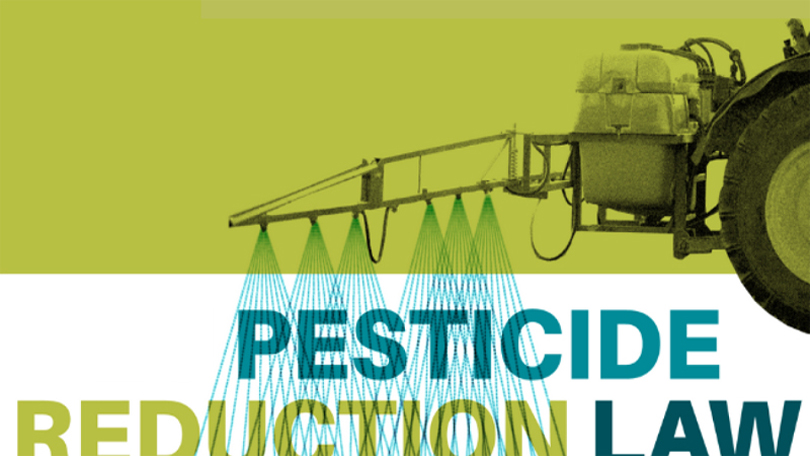
The Centre’s decision to tighten the Seeds Act, of 1966, and the Insecticides Act, of 1968, as announced by the Union Agriculture Minister, is a crucial move to address a deeply entrenched and often overlooked crisis in Indian agriculture-rampant use and sale of substandard seeds and pesticides. With feedback from over 1.34 crore farmers across the country during the Viksit Krishi Sankalp Abhiyan, the Government has correctly identified the need for systemic reforms in agricultural inputs, which are often the first and most vital step in the farming cycle. Substandard seeds and spurious pesticides have long plagued the Indian agrarian landscape. Inconsistent seed quality leads to poor germination and low yields, while ineffective or fake pesticides cause significant crop losses, further exacerbating the economic vulnerabilities of already distressed farmers. The situation is worsened by the unorganised nature of Indian agriculture-diverse cropping patterns, regional climatic conditions, and varying soil profiles mean that a one-size-fits-all solution is ineffective. Every region has its own specific requirements, yet the lack of standardised quality inputs remains a pan-India concern.
The proposed legislative amendments aim to close these gaps. By regulating non-certified seeds, increasing penalties for violators, and curbing the sale of counterfeit agrochemicals, the Government seeks to restore trust in the input supply chain. Equally significant is the decision to designate Krishi Vigyan Kendras as nodal agencies at the district level. This move could improve ground-level implementation, as KVKs have the institutional expertise and local outreach to directly engage with farmers and ensure quality monitoring. Additionally, the integration of farmer feedback into agricultural research, along with compulsory field visits by KVK scientists and ministry officials, reflects a much-needed bottom-up approach. The Government’s openness to exploring technology-driven solutions, including AI-based crop monitoring and humane fencing to deter wild animals, demonstrates adaptability in tackling modern-day agricultural challenges.
In reality, ensuring quality seeds and pesticides is not merely a regulatory necessity but a foundational requirement for a sustainable and resilient agricultural economy. By tightening laws and decentralising oversight through KVKs, the Government is making strides toward addressing India’s complex and regionally varied farming challenges with pragmatic, farmer-first policies.
 Follow our WhatsApp channel
