

Prof (Dr) Vikas Sharma, Komal Sudan
Embracing Kasrod is not just about eating green, it’s about reconnecting with nature’s own medicine. Kasrod is much more than a seasonal wild vegetable, it is a powerhouse of nutrition and traditional healing.
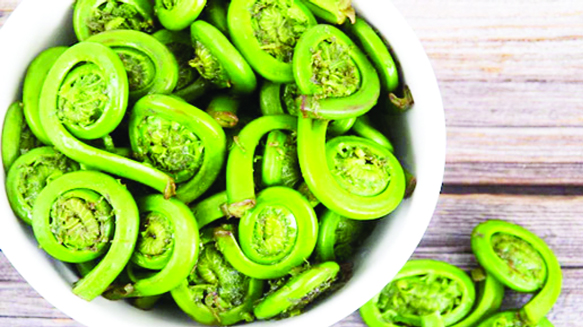
Kasrod, commonly known as fiddlehead fern due to its curled, spiral-shaped young fronds resembling the fiddle (violin) head, is a wild edible plant found in temperate regions of the Himalayas, including Jammu and Kashmir, Himachal Pradesh and parts of Northeast India. It is called by different names in different regions such as Kasrod in Jammu, Kandor in Poonch, Ted in Kishtwar and Dheed in Ramban district of Jammu & Kashmir. Fiddlehead is a tightly curled, deep green stalk measuring about 4 cm in diameter, reaching the height of about 10-12 cm off the ground. Its tender shoots are covered with brown scales that are scraped off before use in cooking. Young and tender fronds taste similar to that of asparagus or green beans with a crunchy texture of their own. Kasrod holds immense cultural, nutritional and medicinal significance, especially among indigenous and rural communities, where it is not only cherished for its taste, but also for its role in maintaining health and well-being.
In Jammu region, kasrod is an integral part of the local cuisine, often pickled or stir-fried with spices and served with rice or chapati. Its slight crunch, earthy flavor and capacity to absorb spices make it a versatile ingredient in traditional kitchens. Kasrod is highly valued for its nutritional richness. It is low in calories, the curly young shoots carry just 34 calories per 100 gram and packed with vital nutrients such as dietary fiber, which can help in weight management. The young fiddleheads are especially rich in Vitamin A, C, iron, carotenoids and polyphenols such as ?, ?-carotenes, that help in neutralizing harmful free radicals in the body. The high vitamin C content boosts immunity and skin health, while vitamin A supports vision and cell growth. The presence of iron contributes to healthy blood circulation and helps in the prevention of anemia. They are also rich in omega-3 and omega-6 essential fatty acids. Fern shoots are a very good source of minerals and electrolytes, especially potassium, iron, manganese and copper. 100 g of fresh sprouts carry 370 mg or 7% of the daily required levels of potassium. Further, they contain small to moderate levels of some of the valuable B-complex group of vitamins such as niacin, riboflavin and thiamine.
One of the unique features of kasrod is its wild and seasonal nature, which links it directly to traditional foraging practices. Local communities pass down the knowledge of harvesting kasrod through generations, knowing precisely when and where to find these delicate shoots. The harvesting period is critical, as only the tightly coiled young fronds are edible and safe for consumption. Once they begin to unfurl, the fern becomes fibrous and may develop toxic compounds that are difficult to digest. Therefore, proper identification, timing and preparation are essential aspects of consuming kasrod safely. Medicinally, kasrod has been used in traditional systems for various purposes. Folk remedies describe its use as a digestive aid, an anti-inflammatory agent and a treatment for skin problems and wounds. The antioxidants present in kasrod play a vital role in combating oxidative stress, which is associated with chronic diseases such as cancer, cardiovascular issues and neurodegenerative disorders. In some tribal communities, the decoction made from kasrod is used to alleviate symptoms of diarrhea, fever and intestinal worms. Another important aspect of kasrod is its contribution to sustainable food systems. As a wild plant that does not require cultivation or chemical inputs, kasrod represents a naturally organic food source. Foraging fiddlehead ferns encourages biodiversity conservation and also supports food security in rural areas, providing a seasonal source of nutrition when cultivated crops may be unavailable or unaffordable. The commercialization of kasrod through local markets and pickled products has also opened avenues for economic empowerment of women and small-scale farmers in regions like Jammu and Himachal Pradesh.
Despite its benefits, certain precautions must be observed while consuming kasrod. It is essential to cook fiddlehead ferns thoroughly before eating, as raw or undercooked ferns may contain potentially harmful compounds such as thiaminase, which can deplete vitamin B1 (thiamine) in the body. Boiling or steaming kasrod for 10-15 minutes, followed by discarding the water, is generally recommended to ensure its safety. The cooking process not only eliminates harmful substances, but also enhances its taste and digestibility. In recent years, the growing interest in organic and functional foods has drawn attention to traditional and wild edible plants like kasrod. Studies suggest that incorporating wild greens like kasrod into regular diets could contribute to better health outcomes due to their high phytonutrient content. Culturally, kasrod is more than just a food item; it represents a connection to the land, heritage and community. In Dogra culture of Jammu region, pickling kasrod is a particularly popular practice, these pickles are not only flavourful, but also act as natural probiotics, aiding gut health. Promoting the use of kasrod and other wild edible plants supports biodiversity and helps protect native species from being overlooked or replaced by monoculture farming. It also aligns with sustainable development goals by encouraging responsible consumption and production.
In conclusion, kasrod is much more than a seasonal wild vegetable, it is a powerhouse of nutrition and traditional healing. It offers a wide range of health benefits, from boosting immunity and aiding digestion to combating inflammation and oxidative stress. Its medicinal use in folk remedies and its role in local diets reflect a deep-rooted cultural and ecological wisdom. As modern science continues to explore the health potential of wild edible plants, kasrod stands out as a symbol of how traditional knowledge and natural foods can contribute to better well-being. Promoting its safe consumption, encouraging sustainable foraging and integrating it into contemporary diets can help preserve both health and heritage.
(The authors are from the Division of Biochemistry, FBSc., SKUAST – Jammu)
 Follow our WhatsApp channel
