

In a significant geopolitical manoeuvre, India has escalated its diplomatic and economic response to Pakistan following the deadly terror attack in Pahalgam that claimed the lives of 26 tourists. The Government has not only imposed a blanket ban on all direct and indirect imports from Pakistan but has also announced a strategy to approach global financial institutions – like the International Monetary Fund and the Asian Development Bank – to review and potentially reconsider funding support to Islamabad. This multifaceted approach underscores a broader, assertive policy shift by India to isolate Pakistan on the global stage using economic and diplomatic levers, rather than relying solely on traditional military responses or bilateral diplomacy.
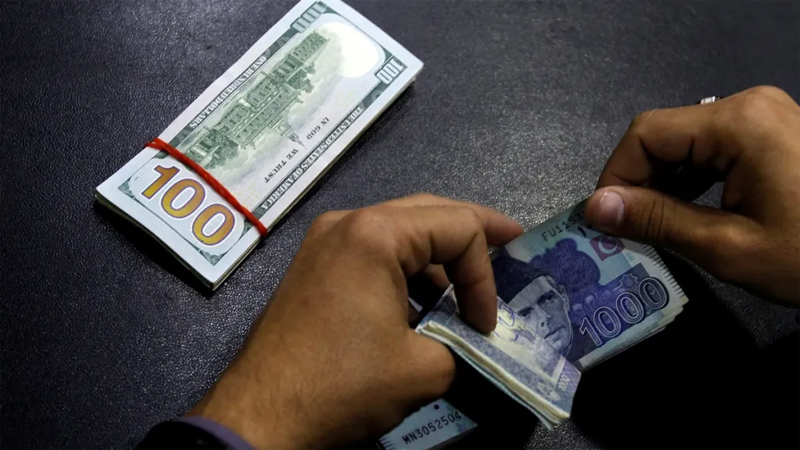
After the Pulwama terror attack in 2019, New Delhi imposed a 200 percent import duty on Pakistani goods, effectively reducing trade to a trickle. The current move-formalised by a notification from the Directorate General of Foreign Trade-goes further by invoking national security and public policy clauses to institute a total ban. Though bilateral trade has been marginal for years, the symbolism of this action carries considerable weight. Pakistan’s exports to India stood at a negligible USD 0.42 million between April and January of FY2024-25, while India’s exports amounted to USD 447.65 million in the same period. Nevertheless, by cutting off all remaining trade ties, India signals a complete diplomatic freeze and a withdrawal of economic engagement that historically acted as a buffer against a total breakdown of relations. The ban is also consistent with India’s broader policy to deny economic incentives to Pakistan until there is demonstrable action against cross-border terrorism. By doing so, India communicates to both domestic and international audiences that terrorism has tangible costs and consequences.
Equally notable is India’s effort to engage multilateral financial institutions, including the IMF and the World Bank, to reassess the billions of dollars in aid and loans currently extended to Pakistan. The timing is critical. The IMF is scheduled to meet Pakistani officials on May 9 to review a USD 1.3 billion loan under the climate resilience facility and evaluate an ongoing USD 7 billion bailout program. India’s diplomatic outreach to these bodies aims to leverage global financial governance structures to add another layer of accountability for Pakistan’s internal policies, particularly those linked to terror financing and state support for non-state actors. While it is uncertain whether India’s plea will alter the IMF or ADB’s course, it amplifies New Delhi’s intent to escalate the costs for Pakistan at every available forum.
This move is not a one-off reaction but part of a continuing arc of strategic realignment. Since revoking Article 370 in Jammu and Kashmir and following the Pulwama attack, India has increasingly adopted a policy of “zero tolerance” towards cross-border terrorism and has used trade and diplomacy as instruments of coercive statecraft. By suspending the Indus Water Treaty-a longstanding agreement under the auspices of the World Bank-and expelling Pakistani military attachés, India is dismantling traditional bilateral frameworks that once underpinned the fragile stability between the two nations. The policy marks a departure from symbolic condemnations to enforceable, structural pressure. The Government’s stance is likely to find some resonance among Western powers and global institutions that have become increasingly sceptical of Pakistan’s dual policy on terrorism. However, economic disengagement limits the space for soft diplomacy and people-to-people ties, which often serve as backchannels during periods of heightened tension.
India’s decision to sever all trade ties and lobby global institutions against Pakistan represents a strategic shift from symbolic outrage to calibrated punitive actions. It sends a clear message: India will not tolerate terror emanating from across its borders and is prepared to use every diplomatic, economic, and multilateral instrument at its disposal to impose costs. India is raising the stakes, and unless Pakistan recalibrates its approach to terrorism and diplomacy, it will find itself increasingly isolated-not just from India, but from the global community at large.
 Follow our WhatsApp channel
