

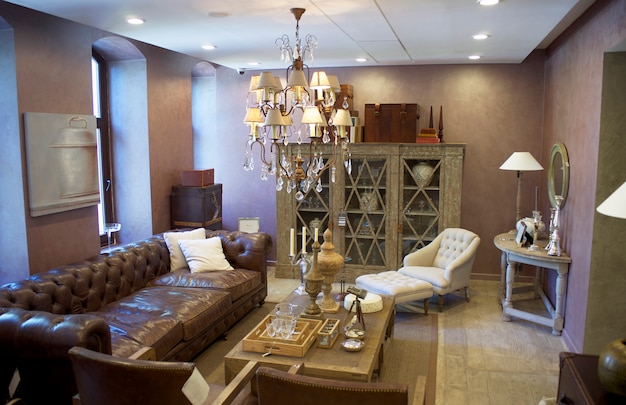
Interior design constantly evolves, yet the most enduring spaces successfully blend contemporary elements with timeless appeal. Among the many components that contribute to a well-designed interior, fixtures play a crucial role in defining the character and functionality of a space. When chosen thoughtfully, fixtures can bridge the gap between modern innovation and classic elegance, creating environments that feel both current and enduringly sophisticated.
The term “fixtures” encompasses a wide array of permanent or semi-permanent elements in a home—from lighting and plumbing to hardware and built-in features. Each fixture represents an opportunity to express design intent and create visual harmony. The key to achieving a modern yet classic space lies in selecting fixtures that honor traditional principles while embracing contemporary sensibilities.
Lighting fixtures, perhaps more than any other element, dramatically influence a room’s atmosphere. A well-chosen chandelier fan from Hunter Fan, for instance, serves as both a functional cooling device and a striking focal point, offering the perfect marriage of utility and aesthetics. These hybrid fixtures have gained popularity for their ability to deliver the glamour of a traditional chandelier with the practicality of air circulation—particularly valuable in dining rooms or great rooms with high ceilings.
When selecting lighting fixtures for a timeless yet current design, consider clean lines paired with traditional materials. Brass and bronze finishes, for example, evoke heritage quality but can appear thoroughly modern when applied to simplified forms. Many designers now favor fixtures that reference historical shapes but strip away excessive ornamentation, resulting in pieces that feel both familiar and fresh.
Bathroom and kitchen fixtures present another opportunity to blend eras seamlessly. Matte black faucets and hardware have emerged as modern classics, offering striking contrast in predominantly white spaces while referencing the wrought iron fixtures of earlier periods. Similarly, unlacquered brass, which develops a living patina over time, brings warmth and character that feels simultaneously contemporary and rooted in tradition.
The beauty of choosing such fixtures lies in their ability to anchor a space in design history while keeping it relevant. A freestanding bathtub with contemporary lines but traditional claw feet exemplifies this approach—the silhouette speaks to current preferences for simplicity, while the feet honor historical precedent. This thoughtful referencing of the past prevents modern spaces from feeling cold or trendy, instead imbuing them with depth and staying power.
Scale plays a significant role in achieving this balance. Oversized fixtures make bold statements while creating visual interest through unexpected proportions. A generously sized chandelier fan in a modest dining space, for example, elevates the room beyond the ordinary. The juxtaposition of grand fixture and intimate space creates tension that feels deliberately designed rather than accidental—a hallmark of sophisticated interiors.
Beyond individual pieces, the arrangement of fixtures contributes significantly to a space’s character. Traditional symmetry—such as matching sconces flanking a fireplace or mirror—provides reassuring order, while asymmetrical placement feels more contemporary. Blending both approaches within a single home allows for variety while maintaining cohesion.
Materials selection further defines where fixtures fall on the classic-to-modern spectrum. Natural materials like wood, stone, and glass have endured throughout design history but can be fashioned into distinctly contemporary forms. A wooden vanity with clean lines and minimal hardware feels modern, while the inherent warmth of the material connects it to traditional craftsmanship. Similarly, a chandelier fan featuring wooden blades brings organic texture to an otherwise sleek fixture, softening its technological aspects.
Color choices in fixtures significantly impact how they’re perceived. While neutrals offer longevity, strategic use of color creates memorable impressions. Navy blue kitchen cabinetry hardware, for instance, references traditional applications of blue in interiors but feels refreshed when paired with contemporary cabinet styles. This balance of familiar color in unexpected applications characterizes successful modern-meets-classic design.
Technological integration represents perhaps the greatest challenge in creating fixtures that feel both current and timeless. Smart home features bring unprecedented convenience but can quickly appear dated as technology advances. The solution lies in selecting fixtures where technology enhances function without dominating aesthetics. Hidden speakers, discreet charging stations, and lighting systems with simple interfaces achieve this balance, providing modern convenience without sacrificing classic appeal.
Custom fixtures offer another pathway to spaces that transcend fleeting trends. Working with artisans to create bespoke lighting, hardware, or built-ins ensures pieces respond precisely to both the architecture and the inhabitants’ needs. These personalized elements, when designed with restraint, contribute to interiors that feel specifically created rather than assembled from catalog pieces—a distinction that elevates the entire environment.
Restoration of original fixtures in heritage homes merits special consideration. Rather than replacing these elements entirely, many designers now modify them to meet contemporary standards while preserving their historical integrity. A vintage chandelier fan refitted with energy-efficient bulbs exemplifies this approach—honoring craftsmanship while acknowledging current values regarding sustainability and function.
Context remains essential when selecting fixtures that bridge eras. A fixture that successfully balances modern and clafwssic elements in one setting might appear incongruous in another. The architecture should guide choices, with fixtures responding to existing proportions and details. In a converted industrial loft, for instance, a chandelier fan with industrial elements honors the building’s history while updating it for residential use.
Finally, quality transcends trends. Well-crafted fixtures with superior materials and thoughtful design naturally achieve timelessness. These pieces often develop character with age—brass develops patina, wood deepens in tone, stone reveals subtle variations—making them more valuable over time rather than less. Investment in quality fixtures represents commitment to creating spaces that improve with age rather than demanding replacement when trends shift.
The art of using fixtures to define modern yet classic spaces ultimately relies on balance—between old and new, between statement and subtlety, between function and form. When approached with intention and knowledge of design principles, fixture selection can elevate interiors beyond momentary fashion to achieve lasting resonance. The most successful spaces feel neither strictly contemporary nor rigidly traditional but instead exist in the rich territory between—timeless in their appeal yet thoroughly relevant to current living.
 Follow our WhatsApp channel
