

Ishaan Mahajan
Agriculture has always been the backbone of India, but our journey has been challenging. The early years after independence were among the toughest, as food was scarce, and the nation faced a severe food crisis. With a population of over 350 million, the country’s agricultural production of 50.82 million tonnes was insufficient to meet demands. However, in the 1960s, a turning point came in the form of the Green Revolution, which completely transformed Indian agriculture, increasing food production and making us self-sufficient. Our food production increased steadily, and in 2023-24, we reached astaggering332.2 million tonnes (Press Information Bureau, 2023).While this growth is remarkable, it came at a serious cost. Heavy reliance on chemical fertilizers and pesticides has had long-term environmental consequences. This overuse has degraded soil health, polluted groundwater, and disrupted entire ecosystems. The situation is even more alarming in Jammu and Kashmir. Despite being known as the “Heaven on Earth”, the region is facing environmental issues due to the heavy usage of chemicals. Reports from the All India Input Survey, AgEcon Search, and India Stat indicate that J&K ranks fourth in pesticide usage in India at 4,086 metric tonnes in 2021-22, with a pesticide application rate of 2.337 kg/ha. This is significantly higher than other agriculturally intensive states like Punjab and Haryana. A crucial step forward is to move away from harmful chemicals and embrace eco-friendly solutions like biopesticides.
What are biopesticides?
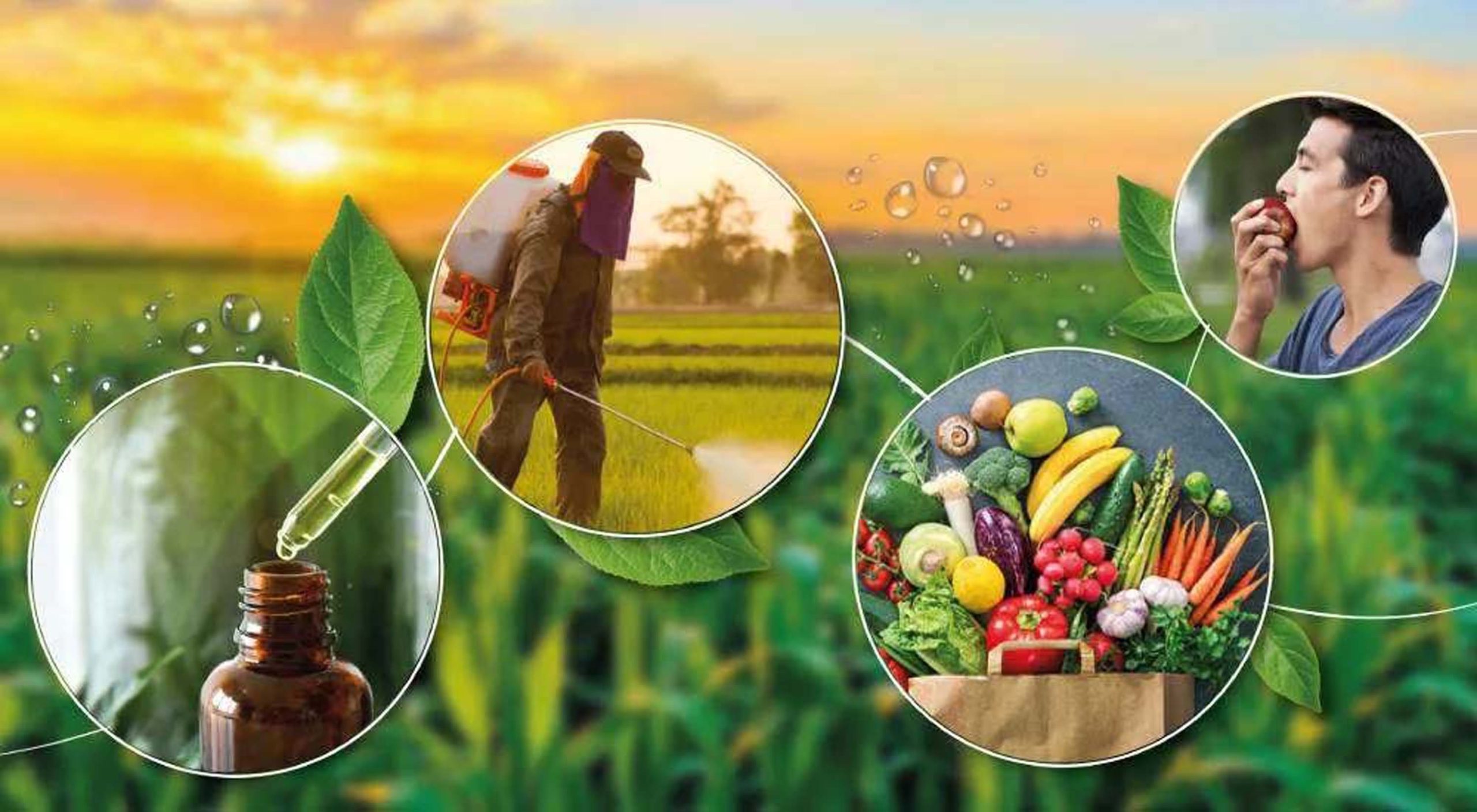
Biopesticides are derived from natural sources such as plant extracts, beneficial microbes, and specific animal-derived compounds. They provide a sustainable alternative for pest management. Unlike chemical pesticides, biopesticides are eco-friendly, helping to protect crops while preserving environmental balance.
Types & Mechanisms of Biopesticides
Microbial Biopesticides: Microbial biopesticides utilize naturally occurringmicroorganisms- bacteria, viruses, protozoa and fungi- as active ingredients. They are highly specific and manage pests through various modes of action such as infection, parasitism, antibiosis, induced systemic resistance (plant’s natural defence mechanism),and competition.
Among microbial biopesticides, fungal species such as Trichoderma, Beauveria bassiana and Metarhizium anisopliaehave consistently managed soil-borne pathogens and various insect pests. Numerous Trichodermaspecies have been known to combat majorsoil-borne diseases such as root rot, wilt and damping-off by producing metabolites, disrupting the physiological processes of the pathogens. Beauveria bassiana and Metarhizium anisopliae are known to infect insect pests, including aphids, whiteflies, mealy bugs and beetles.
Bacterial bio control agents like Bacillus thuringiensis, Bacillus subtilis, and Pseudomonas fluorescens work wonders against insect pests, pathogens, and weeds. The most effective bacterial biopesticide,Bacillus thuringiensis, produces crystal proteins that disrupt the gut of caterpillars Spodoptera and Helicoverpa, attacking crops like cotton, maize, and vegetablesand eventually causing death. Bacillus subtilis produces lipopeptides, particularly surfactin, that inhibit the growth of pathogens like Pythium, Fusarium, and Rhizoctonia and also protects against powdery mildew and scab in apples. Pseudomonas fluorescens produces a range of compounds, including siderophores and antibiotics, which effectively managesoil-borne diseases such as Fusarium wilt, leaf spots and Rhizoctonia root rot invarious crops, including chickpeas, mung bean, tomatoes, bhindi, spinach and potatoes.
Viral biocontrol agents like the Nuclear Polyhedrosis Virus (NPV) and Granulo virus are extremely effective against insect pests. These viruses infect the larvae of these insect pests by releasing virions, which proliferate within the host and ultimately cause mortality. This helps prevent huge economic losses in chickpea, okra, apple, turmeric, cotton, and tobacco. Similarly, the Granulovirusis used against Heli cover paarmigera in crops such as cotton, tomato, and chickpea.
Biochemical Biopesticides: Biochemical pesticides contain natural compounds extracted from plants and animals, offering a safe and eco-friendly approach to pest management. Biochemical biopesticides are generally divided into two categories based on their source- Plant-based and Animal-based biopesticides.
Plant-based biopesticides contain bioactive compounds that help manage insect pests and reduce their impact on crops. These include extracts from natural sources such as Neem Seed Kernel extract (NSKE), Garlic extract, Darek extract, Chrysanthemum flower extract, and Citrus extract. In particular, Garlic extract is notable for its high content ofsulphurcompounds, especially diallyl disulphide, which disrupt the feeding and reproductive cycles of pests like mites and aphids, there by helping manage infestations effectively. NSKE, another very effective biopesticide, contains azadiracht in, which disrupts the growth and reproduction of aphids and whiteflies in brassicas, rice and cotton. Darek extract, a lesser-known insecticide, contains alkaloids, helps manage whiteflies and jassids by disrupting their reproductive systems. Chrysanthemum flower extract is a natural source of pyrethrin, which acts as a neurotoxin against aphids and thrips. Citrus extract, rich in compounds like limonene and linalool, helps manage fleas, aphids, mites, and paper wasps, by disrupting the nervous systems and causing respiratory distress.
Animal-based biopesticides come from substances produced by animals, including oils, pheromones, and hormones. They include Cow urine, Fish oil, and Chitin/ Chitosan. Farmers have traditionally used cow urine for its natural antimicrobial properties, as it contains urea, phenols, and uric acid, which help slow the growth of harmful fungi and bacteria. Fish oil, derived from fish processing by-products, effectively manages oft-bodied insects like mites and aphids by disrupting cell membranes and suffocating them. Chitin/ Chitosan, extracted from the shells of shrimp and crabs, induce systemic resistance in plants against fungal pathogens.
Future of Biopesticides
The damage to soil health and food quality from overusing chemical inputs is undeniable. However, biopesticides are emerging as a hopeful and practical approach to building a more sustainable future for agriculture. While a full transition to organic farming may take time, we can start by taking gradual, well-planned steps. As Jane Good all said, “What you do makes a difference, and you have to decide what kind of difference you want to make.” This quote explains the importance of the choices we make. So, by integrating biopesticides, we’re not just opting for better crop management; we’re contributing to environmental health and the well-being of our future.
(The author is M. Sc. Organic Farming – SKUAST-J)
 Follow our WhatsApp channel
