

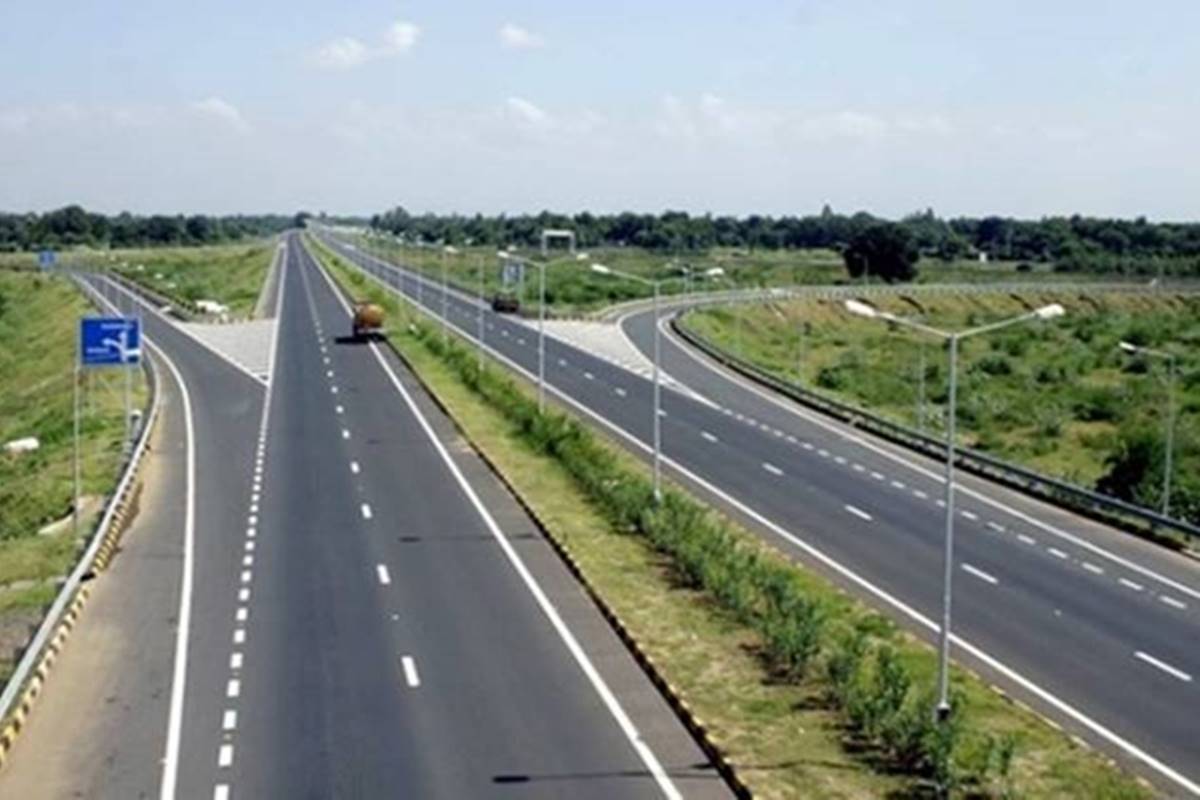
The Delhi-Amritsar-Katra Greenfield Expressway, a monumental infrastructure project, is poised to transform the socio-economic landscape of the entire northern India. With the entire 144-kilometre stretch in Jammu and Kashmir expected to be completed by March 2026 and three packages slated for completion by September 2025, the project is a testament to the Government’s commitment to enhancing connectivity and fostering regional development. Union Minister Nitin Gadkari’s recent update in the Lok Sabha underscores the progress being made and it also highlights the challenges and opportunities that lie ahead.
The Delhi-Amritsar-Katra Expressway is not just another highway; it is a lifeline that will connect the national capital to the spiritual and cultural hubs of Amritsar and Katra. The expressway will significantly reduce travel time, making it easier for pilgrims to visit the holy shrine of Shri Mata Vaishno Devi and the Golden Temple in Amritsar. This improved accessibility is expected to boost tourism, which is a critical component of the local economy in J&K and Punjab. The expressway’s alignment through Haryana, Punjab, and J&K ensures that it serves as a vital link between these states, facilitating the seamless movement of goods and people. For J&K, in particular, this project is a game-changer. The region, which has long grappled with infrastructural deficits, will benefit from enhanced connectivity, which is essential for economic growth and integration with the rest of the country.
The economic benefits of the Delhi-Amritsar-Katra Expressway are manifold. By reducing travel time and transportation costs, the expressway will boost trade and commerce. Industries in the region will gain better access to markets in Delhi and beyond, fostering economic growth and creating employment opportunities. The expressway will also stimulate the development of ancillary industries, such as hospitality, logistics, and retail, further contributing to the local economy. Moreover, the expressway will play a crucial role in the development of the Amritsar-Kolkata Industrial Corridor, which aims to promote industrial development in northern India. By improving connectivity between key industrial hubs, the expressway will enhance the region’s attractiveness to investors, both domestic and foreign.
While the progress on the Delhi-Amritsar-Katra Expressway is commendable, the project is not without its challenges. Land acquisition issues, particularly in Punjab, have delayed work on one of the spur routes. The termination of the Engineering, Procurement, and Construction contract for this spur underscores the complexities involved in large-scale infrastructure projects. Resolving these issues swiftly is crucial to ensuring that the project stays on track.
Another challenge is the toll structure. While tolls are necessary to recover the costs of construction and maintenance, there have been calls for exemptions or special rates for local residents and electric vehicles. The Government’s stance, as articulated by Gadkari, is that toll fees are governed by the National Highways Fee Rules, which do not provide for district-wide exemptions. However, as the expressway is a public good, it is imperative to strike a balance between revenue generation and public welfare. Introducing differential toll rates for electric vehicles, for instance, could incentivise the adoption of cleaner technologies and align with the Government’s sustainability goals.
Beyond its economic and logistical benefits, the Delhi-Amritsar-Katra Expressway is a symbol of national integration. By connecting the heart of India to its northern frontiers, the expressway reinforces the idea of a united and inclusive India. For J&K, which has often felt isolated due to its geographical and political challenges, the expressway is a tangible manifestation of the Central Government’s commitment to the region’s development.
Prime Minister Narendra Modi’s emphasis on the expressway’s role in facilitating pilgrimages and boosting economic development is a reflection of the Government’s broader vision for the region. The expressway is not just a road; it is a pathway to prosperity, a bridge that connects aspirations to opportunities. The Delhi-Amritsar-Katra Greenfield Expressway is more than just a highway; it is a transformative project that will redefine the economic and social landscape of North India.
 Follow our WhatsApp channel
