

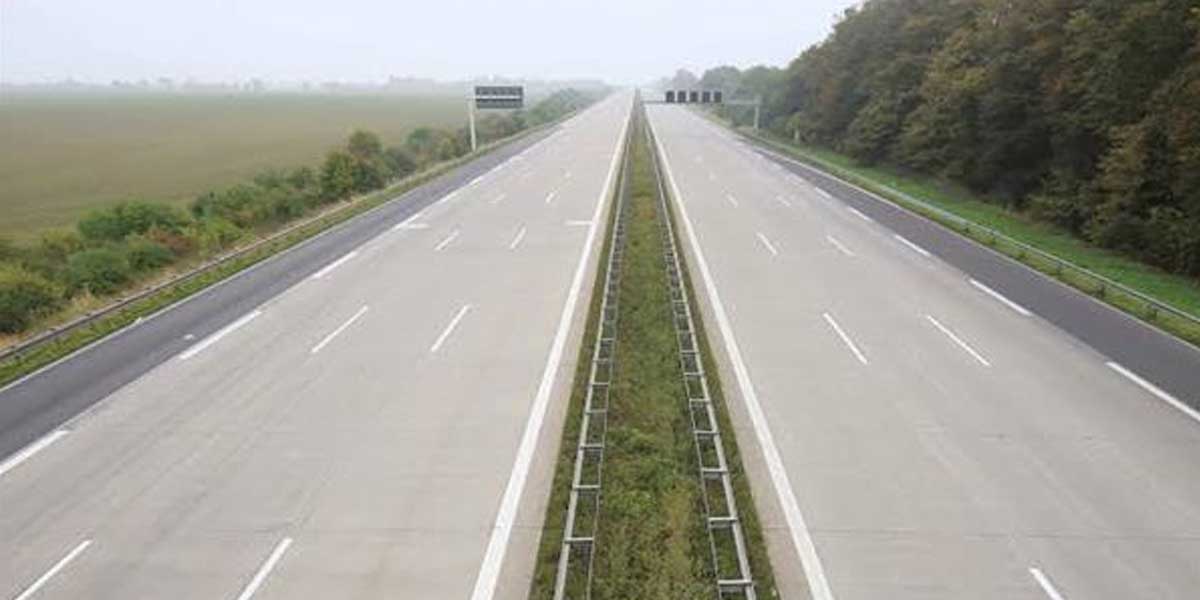
The ambitious plan to develop a Smart Integrated Satellite Township along the Jammu Ring Road has encountered a formidable roadblock-the staggering cost of Rs 3750 crore needed to acquire private land for the project. This situation underscores not only the challenges of large-scale urban development but also the critical need for timely planning and execution. When the Jammu Ring Road project was initiated, it brought with it the promise of modern infrastructure and urban expansion. The announcement of the Smart Integrated Satellite Township along the Ring Road further elevated expectations, offering a vision of organised urban growth, better housing options, and improved connectivity.
At the core of the issue lies the fact that private landowners along the proposed township route have engaged in extensive land transactions, significantly increasing the complexity and cost of land acquisition. The tentative land acquisition cost, pegged at Rs 3750 crore for approximately 15,000 kanals of private land, is a direct result of these transactions and the provisions of the Right to Fair Compensation and Transparency in Land Acquisition, Rehabilitation and Resettlement Act, 2013. This legislation, though well-intentioned to protect landowners’ interests, entails compensating rural landowners at four times the stamp duty rate and urban landowners at twice the rate, alongside costs for rehabilitation and resettlement. These provisions, combined with the requirement for social impact assessments, have made the process both time-consuming and financially prohibitive.
One of the key lapses in this project’s planning phase was the failure to impose an embargo on the sale and purchase of land in the proposed township area. The lack of sufficient state land-only 999 kanals available in scattered patches-further exacerbates the issue. Additionally, the project requires 1980 kanals of land from the Custodian Department, which will also demand compensation.
The current impasse highlights the importance of adopting innovative and inclusive land acquisition strategies. One such strategy, already under consideration, is land pooling. This approach offers a promising alternative to conventional land acquisition methods. However, for the land pooling strategy to succeed, it must gain the trust and participation of landowners. This requires transparent communication, assurances of fair returns, and effective policy implementation. Lessons must be drawn from similar projects in other regions where timely interventions and innovative policies have led to successful urban development. For instance, cities like Ahmedabad and Pune have implemented land pooling with considerable success, transforming urban landscapes while ensuring the inclusion of all stakeholders.
The Jammu Ring Road project and the proposed township are vital for the region’s socio-economic development. Without the satellite township, urban congestion in Jammu City is likely to worsen, as the project’s primary aim was to provide planned housing and infrastructure to decongest existing urban areas. The absence of such development may lead to unorganised urban sprawl, overburdening the city’s infrastructure, including roads, drainage systems, water supply, and public services, thereby reducing the quality of life for residents. Furthermore, the region will miss out on significant economic opportunities that the township could have generated. These include the creation of new business hubs, increased employment prospects, and enhanced economic activities driven by improved connectivity and organised development.
Now the Smart Integrated Satellite Township’s realisation hinges on the administration’s ability to address the current challenges with urgency and innovation. Timely notification of the Land Pooling Policy, active engagement with landowners, and meticulous planning for rehabilitation and resettlement are critical steps in this direction. Urban development initiatives must be backed by comprehensive planning, foresight, and collaboration among all stakeholders. The administration’s role extends beyond policymaking; it must ensure effective implementation and adaptability to emerging challenges. While uncertainty currently looms over the development of the Smart Integrated Satellite Township, it is not beyond resolution. With the right policies, transparent governance, and stakeholder participation, this ambitious project can still become a beacon of organised urban growth and a testament to the region’s developmental aspirations.
 Follow our WhatsApp channel
