

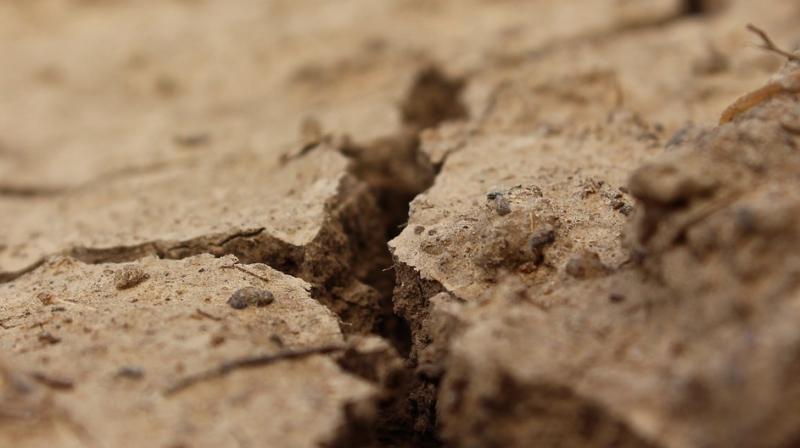
The observation by the Agriculture Minister at a global conference on soil degradation highlights an issue of critical importance for India’s agricultural sustainability and overall economic health. With 30 percent of the country’s land suffering from soil degradation, the alarming state of our soil threatens not only agricultural productivity but also the livelihoods of millions of farmers, food security, and environmental stability. Soil degradation in India stems from a combination of factors, including the overuse of chemical fertilisers, imbalanced nutrient application, unsustainable farming practices, deforestation, and industrial pollution. Rising fertiliser consumption-encouraged by high-yield demands and insufficient awareness-has eroded soil health across agricultural zones. Intensive farming practices, driven by a growing population and the Green Revolution’s legacy, have contributed to soil compaction, erosion, and nutrient depletion. Climate change compounds these challenges. Erratic rainfall patterns, increasing temperatures, and extreme weather events exacerbate soil degradation, particularly in arid and semi-arid regions. This vicious cycle jeopardises India’s efforts to achieve Sustainable Development Goals related to zero hunger, climate action, and life on land.
India produces over 330 million tonnes of food grains annually, feeding 1.4 billion people and contributing significantly to global food markets with exports worth USD 50 billion. However, this success comes at a cost. Degraded soil reduces productivity, increasing the need for external inputs like fertilisers, further harming the environment. Poor soil quality also affects water retention, compounding water scarcity issues in agriculture-dependent regions. For farmers, soil degradation translates into declining yields, higher production costs, and reduced income, perpetuating cycles of poverty and distress. For the nation, it undermines food security and rural development goals.
The Government has recognised the problem and taken steps to address it. The distribution of over 220 million Soil Health Cards to farmers is a commendable initiative, helping farmers understand their soil’s nutritional needs and guiding them toward balanced fertiliser use. Programs promoting micro-irrigation, organic farming, and natural farming methods reflect a shift toward sustainable agriculture. However, these measures are not sufficient. Soil health cards, while widely distributed, face low utilisation due to inadequate farmer awareness and support systems. Adoption of organic and natural farming methods remains slow, with a limited number of farmers participating in these programs.
India’s agricultural research institutions, including the Indian Council of Agricultural Research, have a critical role to play in developing innovative soil management practices. Conservation agriculture and zero tillage, widely adopted in countries like Brazil and Argentina, offer promising solutions for Indian farmers. These practices improve soil health by reducing erosion, enhancing organic matter content, and increasing water retention. Yet these methods remain underutilised in India and South Asia. Bridging this gap requires a concerted effort by institutions like the Indian Soil Science Society, supported by public-private partnerships and farmer cooperatives.
Technology can also be a game-changer. Precision agriculture tools, including soil sensors, satellite imaging, and AI-driven decision-making platforms, can guide farmers in real-time, optimising resource use and minimising environmental impact. However, ensuring that small and marginal farmers can access and afford these technologies is crucial. Corporates and NGOs working in agriculture can complement Government efforts by funding pilot projects, training programs, and awareness campaigns.
India stands at a crossroads. With its large population and dependence on agriculture, the stakes are high. Soil health is not merely an environmental issue but a national priority linked to food security, economic growth, and rural well-being. As the Agriculture Minister aptly noted, urgent and focused action is needed. The Government’s planned program on modern agriculture, aimed at bridging the gap between scientists and farmers, could be a turning point if designed and implemented effectively. It is time to move beyond piecemeal efforts toward a comprehensive, inclusive, and sustainable approach to soil management. By taking decisive action today, India can secure the foundations of its agriculture for generations to come and set a global example in addressing one of the most pressing challenges of the present time.
 Follow our WhatsApp channel
