

Highest from Srinagar; majority in 7-14 age group
Irfan Tramboo
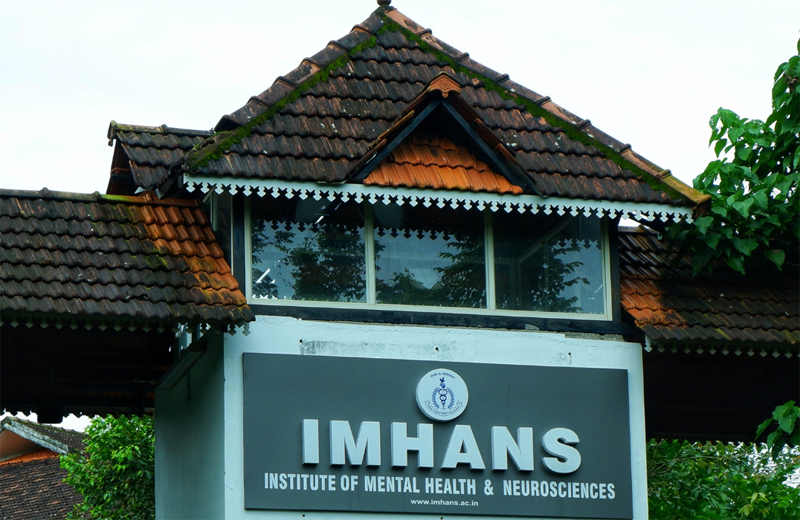
Srinagar, Nov 26: Addressing the mental health and neurodevelopmental needs of children across age groups, the Child Guidance and Wellbeing Center (CGWC) at the Institute of Mental Health and Neurosciences (IMHANS) has recorded over 5,500 new registrations from various districts of Kashmir in the past year.
Follow the Daily Excelsior channel on WhatsApp
According to a report detailing the center’s work and achievements, a total of 5,529 new registrations were recorded during 2022-23, comprising 2,807 females and 2,722 males. The center also documented over 18,000 total visits during this period, including follow-ups.
Among the newly registered cases, 14.32% were diagnosed with anxiety spectrum disorders, 7.9% with obsessive-compulsive spectrum disorders, 2.7% with depression, 4.9% with self-harm and suicidal tendencies, and 5.15% with subnormal intelligence.
The highest number of cases-2,301-originated from district Srinagar, which also accounted for the most follow-ups at 6,487, totalling 8,788 visits to the center. Conversely, the lowest number of cases, 181, were recorded from district Shopian.
Age-wise, the majority of new cases, 2,577, were in the 7-14-year age group, followed by 1,929 cases in the 15-18-year age group and over 1,000 cases in the 0-6-year age group.
The report highlighted family dynamics as the leading precipitating factor in 26.73% of cases. Experts explained that these dynamics include family accommodation issues, a history of psychiatric illness within the family, sibling rivalry and discord.
Socio-economic and political factors accounted for 21.73% of cases, while academic stress-such as examination pressure and poor performance-was identified in 15.68%. Additional factors included parental challenges and varying parenting styles.
The report noted the multifactorial and complex etiology of psychological disorders, stressing that the data does not suggest direct causality but rather highlights the diverse issues observed at the clinic.
Self-referrals made up the majority of new cases 2,437, followed by 1,217 referrals from other hospitals and district health centers.
The CGWC, led by Prof. (Dr.) Zaid Ahmad Wani, has also focused on building the capacity of stakeholders, including ASHA workers, ICDS workers, teachers, and pediatricians. So far, 2,190 frontline workers have been trained in child and adolescent mental health issues.
“They are well-positioned to recognize signs of distress or mental health concerns and provide appropriate support or referrals.”
Notably, the center bridges a critical gap in mental health services in Kashmir by providing a comprehensive range of Mental Health and Psychosocial Support Services (MHPSS). These include psychological assessments, counselling, and multidisciplinary interventions.
Experts noted that a key focus of the center is managing neurodevelopmental disorders such as autism spectrum disorder (ASD), attention-deficit/hyperactivity disorder (ADHD), and specific learning disability (SLD).
“Through specialized assessments and interventions, the center supports children, adolescents, and their families in addressing challenges related to cognitive, behavioral and social functioning,” the report stated.
The center also provides services for various psychiatric conditions, including depression, obsessive-compulsive disorder (OCD), anxiety disorders and conversion disorders.
“These assessments help identify the underlying psychological factors contributing to a child’s difficulties and guide the development of targeted treatment plans,” experts noted.
 Follow our WhatsApp channel
