

Excelsior Correspondent
SRINAGAR, May 23: Thousands of devotees thronged the historic Khankah-e-Moula here today to observe the 661st annual Urs of Mir Sayyid Ali Hamadani (RA), with special prayers and religious gatherings held throughout the day.
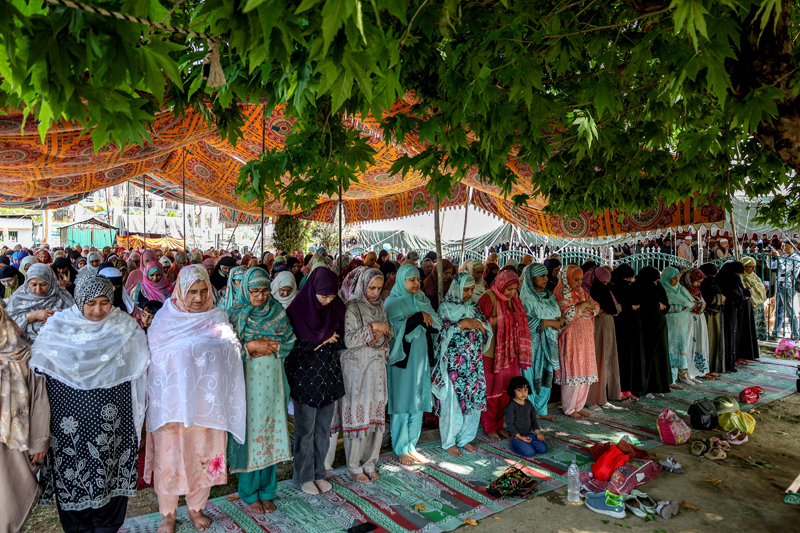
Devotees from different parts of Kashmir assembled at the centuries-old shrine from early morning, participating in congregational prayers and supplications to mark the occasion of the revered saint, popularly known as Ameer-e-Kabeer.
Men, women, children and elderly worshippers visited the shrine in large numbers as the area witnessed a festive yet deeply spiritual atmosphere.
The shrine wore a vibrant look for the occasion, with special decorations and lighting arrangements installed around the premises.
Authorities had put in place elaborate arrangements for the smooth conduct of the Urs, including traffic regulation, uninterrupted electricity and drinking water supply and sanitation measures in and around the shrine complex.
Officials said special teams from different departments were deployed to manage the rush of devotees.
Outside the shrine, rows of vendors selling traditional snacks and local delicacies witnessed brisk business as devotees purchased the items to take home as tabarruk (blessed offerings).
Devotees described Mir Sayyid Ali Hamadani (RA) as one of the most influential spiritual figures in Kashmir’s history, crediting him not only with spreading Islam in the Valley but also with shaping its social, cultural and economic identity.
Historians describe Mir Sayyid Ali Hamadani, believed to have arrived in Kashmir from Hamadan in Iran during the 14th century, as a scholar, Sufi saint and reformer whose influence transformed the Valley’s religious and cultural landscape.
He is also widely associated with the introduction and promotion of several crafts and cottage industries in Kashmir, including shawl weaving, carpet making and other handicrafts that later became central to the Valley’s economy and identity.
Religious scholars during sermons at the shrine highlighted his contribution to the promotion of knowledge, spirituality and social welfare, urging people to follow the teachings of compassion, unity and humility associated with the saint.
The annual Urs concluded with special prayers for peace, prosperity and communal harmony in J&K.
 Follow our WhatsApp channel
