

Dr Harneet Kour | Dr Ravdeep Singh
ravdeep.13@gmail.com
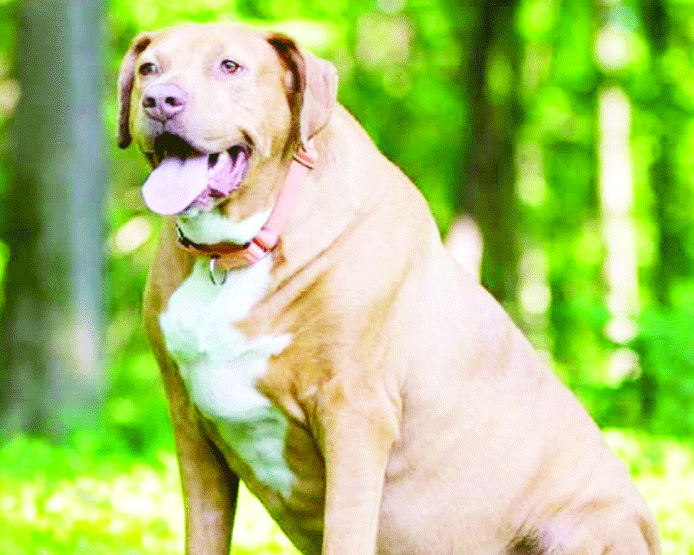
For many dog owners, a plump pet waddling across the living room, eyes fixed pleadingly on a biscuit, seems harmless-perhaps even endearing. Yet beneath this apparent charm lies a growing and largely overlooked health crisis. Canine obesity is silently reducing vitality, increasing disease risk and shortening the lives of dogs across the world.
In today’s pet-loving society, dogs are cherished as family members. Love is often expressed through extra treats, generous portions and indulgent table scraps. What many owners fail to recognise is that this well-meaning overfeeding can gradually become a dangerous form of neglect. Just as obesity has reached epidemic proportions among humans, it has steadily infiltrated the lives of our canine companions.
A growing epidemic
Veterinary health studies suggest that more than half of domestic dogs globally are now overweight or obese. Obesity in dogs is not a cosmetic concern but a clinical condition characterised by excessive accumulation of body fat, usually when body weight exceeds the ideal by 20 per cent or more. This excess weight triggers a cascade of health problems that often progress quietly until irreversible damage has occurred.
Recognising the warning signs
Identifying obesity does not require specialised expertise. Simple physical indicators can serve as early warnings. A healthy dog should have a visible waist when viewed from above, a gentle abdominal tuck from the side and ribs that can be felt with light pressure. Dogs that appear rounded or barrel-shaped may already be on a dangerous path and should be evaluated by a veterinarian.
Breeds at higher risk
While any dog can gain excess weight under unsuitable feeding and activity patterns, some breeds are genetically predisposed to obesity. Labrador Retrievers, Beagles, Dachshunds, Pugs, Bulldogs and Golden Retrievers are particularly vulnerable due to slower metabolism, strong food motivation or anatomical constraints. For these breeds, proactive weight management is not optional-it is essential.
Why dogs gain weight
At its core, obesity results from an imbalance between calories consumed and calories expended. However, this imbalance is often driven by multiple factors. Overfeeding and misjudged portion sizes are common, as are frequent treats and unrestricted access to food. Sedentary lifestyles, particularly among urban and apartment-dwelling dogs, compound the problem.
Medical conditions such as hypothyroidism, Cushing’s syndrome and insulin resistance can further disrupt metabolism. In addition, spaying or neutering often reduces energy requirements; without corresponding dietary adjustments, weight gain becomes almost inevitable.
The hidden health costs
The consequences of obesity are serious and far-reaching. Excess weight accelerates joint degeneration and osteoarthritis, placing chronic strain on bones and ligaments. Cardiovascular health is compromised, increasing the risk of heart disease and hypertension. Obesity also predisposes dogs to diabetes mellitus, respiratory distress especially in flat-faced breeds and heat intolerance.
Beyond physical illness, quality of life declines markedly. Obese dogs tend to be lethargic, less playful and more prone to early onset of age-related disorders. Most concerning, studies indicate that overweight dogs may lose up to two years of lifespan compared to dogs maintained at a healthy weight.
Prevention through responsibility
The encouraging reality is that canine obesity is both preventable and reversible. Responsible ownership begins with informed feeding practices. Meals should be measured accurately rather than estimated and feeding schedules should be consistent. Treats should be limited to no more than ten per cent of daily caloric intake and chosen wisely.
Human food often calorie-dense and nutritionally inappropriate for dogs should be avoided altogether. Regular physical activity is equally vital. Daily walks, structured play and low-impact exercises such as swimming can significantly improve metabolic health and overall well-being. Routine veterinary check-ups help detect early weight gain and rule out underlying medical causes.
When weight loss is necessary
For dogs already struggling with obesity, gradual and supervised weight reduction is essential. A safe target is one to two per cent body weight loss per week, achieved through calorie-controlled diets and progressively increased exercise. Veterinary-recommended weight-management foods allow calorie reduction without compromising essential nutrition.
Success depends heavily on consistency within the household. Even occasional indulgences can undermine months of effort, making family-wide commitment critical.
Redefine your love
Obesity is rarely a reflection of love-it is more often the result of misplaced affection. True care lies in discipline, restraint and foresight. Saying “NO” to an extra helping and “YES” to an extra walk may feel difficult in the moment, but it is an act of genuine compassion.
A lean dog is not merely healthier; it is more energetic, more comfortable and far more likely to enjoy a longer and fuller life.
“The greatest gift we can give our dogs is not more food but more years”
 Follow our WhatsApp channel
