



Urban-rural disparity in healthcare is biggest challenge : Venkaiah

Daily Excelsior
11:06 PM Dec 03, 2018 IST


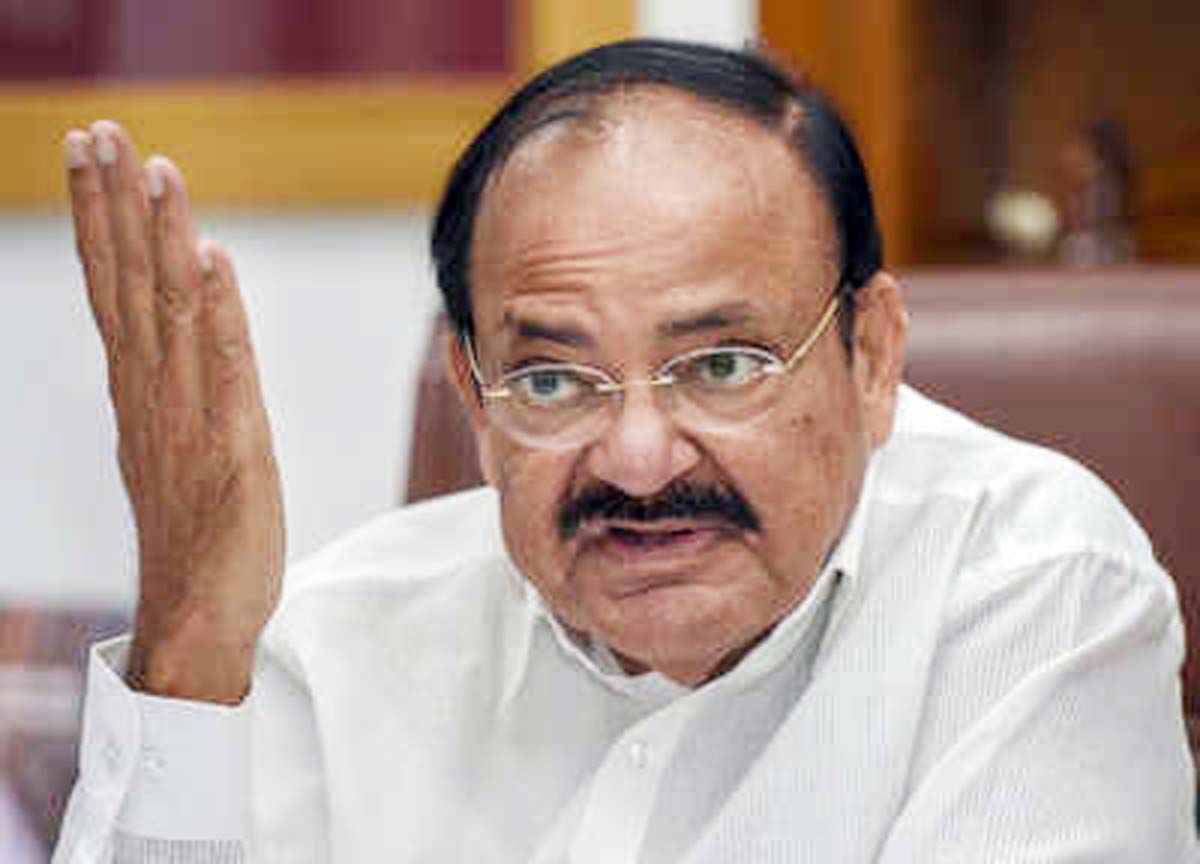
CHENNAI:�The huge disparity between urban and rural� areas was one of the biggest challenges in building a comprehensive� healthcare system, Vice-President M Venkaiah Naidu said on Monday. Inaugurating the Gem hospital here, he said India has made significant� strides in improving the health outcomes of the people with the� availability of modern methods of treatment and better healthcare� facilities.However, one of the biggest challenges in building a comprehensive� healthcare system is the existence of huge disparity between urban� and rural areas, he added.He said though healthcare has been accorded utmost priority by� successive governments since Independence, many challenges on� this front continue to be formidable.They include low public spend, low doctor-patient ratio, low� patient-bed ratio, rising out-of-pocket expenditure, dearth of� medical colleges and trained doctors, inadequate infrastructure� in rural areas, lack of penetration of health insurance and� inadequate disease surveillance and and preventive mechanisms, the Vice-President said.While the private sector was no doubt complementing the Government's� efforts in providing healthcare facilities, the focus of the corporate� sector was mostly confined to urban areas.''The time has come for the private sector to expand their facilities� to the rural areas, where the majority of India's population lives'', Mr Venkaiah said.''To bridge the urban-rural divide, We need one medical College in� every district. In Tamilnadu, I expect two medical colleges in every� district'', he said.Mr Venkaiah Naidu said Public Private Partnership could be the� model to bridge the gap by providing technically advanced primary� and secondary healthcare centres that act as the first response� units to combat diseases or general ill-health.He said the rural-urban disparity was adding to the financial� burden of the people.While the advances in the medical field have made available modern� methods of treatment, the need of the hour was to make such� treatment accessible and affordable to the common man.He said an area of concern was the inadequate number of physicians� available per 10,000 people in India when compared to developed� countries. While the number of physicians available was 20 per� 10,000 population in developed countries, it was only six in India.''As against the WHO norm of one doctor per 1,000, there is one doctor� per 1,700 population in India'', he said, adding, in order to reach� this target, a high-level committee of erstwhile Planning Commission� (Now NITI Aayog) has recommended setting up of 187 more medical� colleges by 2022.Encouraging low cost Generic Medicines and allocating adequate funds� for research by medical institutions must become a priority. The� private sector, particularly the large corporates, must dedicate a� portion of their profits for promoting medical research as part of� their CSR activities.In a veiled reference to Congress, Mr Venkaiah Naidu said he normally� would not encourage dynasty in public life.''But here in service, dynasty is good. In public life, dynasty rule� should not be passed from father, son, grandson and all that. But in� healthcare service, if the son and son-in-law follow their father� and father-in-law, it is good for the country'', he added. (AGENCIES)
Advertisement

