


Need to have new regulatory system to increase availability of doctors: Prez

Daily Excelsior
09:48 PM Jan 16, 2018 IST


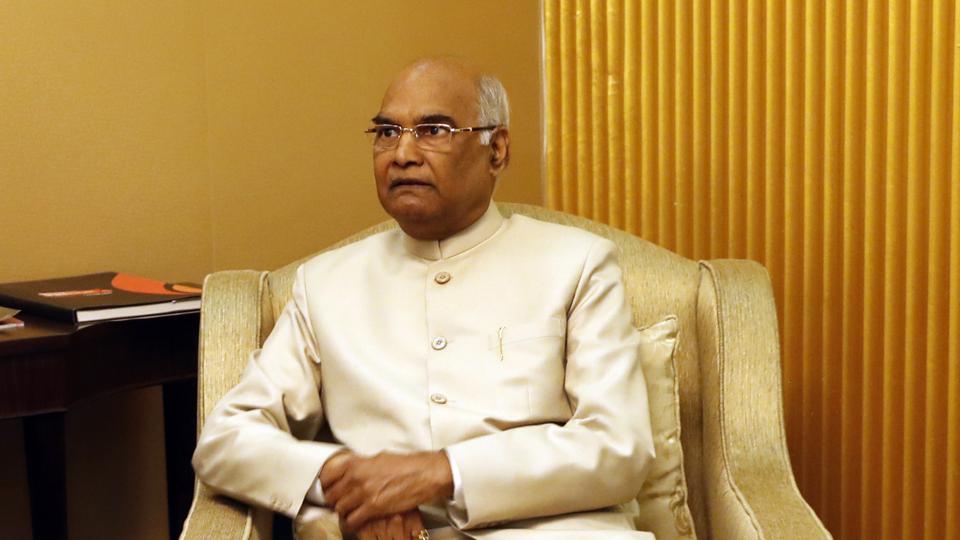
NEW DELHI: Expressing concern over the shortage of doctors in the country, President� Ram Nath Kovind on Tuesday stressed the need to overcome regulatory bottlenecks and interest groups that have prevented the growth of quality medical education in the� country.''Doctors need help in the form of more colleagues. And this is where we need a new regulatory system� to enhance availability of doctors and medical professionals in our society. In the absence of this, the� work-load on our doctors is very high.'Currently our medical colleges, whether run by the government or private institutions, have only about 67,000 undergraduate seats and 31,000 postgraduate seats. In a country of 1.3 billion people this is highly inadequate.We have to overcome regulatory bottlenecks and interest groups that have� prevented the growth of quality medical education in our country. This gives us far fewer medical� graduates and postgraduates every year than our people need. It also leads to aspiring medical students seeking admission in colleges in other countries ? simply� because they have limited options at home.This is simply not acceptable. As a nation, we need to� address this situation very urgently. We need to create more opportunities for those young people who want to make medicine their calling,''� the President said�� while addressing the 45th convocation of the All India Institute of Medical Sciences (AIIMS) in New Delhi.Describing AIIMS as a national centre of excellence, the President said,''the name "AIIMS" has become a byword for quality, commitment and rich experience.The faculty and doctors, as well as of course the students, are the pride of our medical fraternity and our nation,'' the President said.� He advised the graduating doctors that as they go into the world� a world that needs their services� more than ever before. They should remember that they need to give back to society.The President� said it is true that they need to be legitimately rewarded for their academic excellence, their medical� skills and their expertise.''Yet, as doctors, their services must be available both to those who can afford their fees and also to� those who are less fortunate and cannot. Disease does not distinguish between rich and poor but� unfortunately the poor suffer the most.It is for society to profit from medical science� it is not for� medical science to profiteer from society,'' the President said. Lauding the role of nurses, Mr Kovind said,� ''a key role in meeting our health challenges is played by� our very vigilant and very skilled nurses and paramedics.Their work almost never stops. Their sense� of duty and compassion has made Indian nurses.� Both women and men� among the most� outstanding professionals in our country, across all fields.''The President said non-communicable diseases are emerging as big killers.� ''India is a country of paradoxes. Nowhere is this more apparent than in our public health.Traditional� challenges such as diarrhoea, pneumonia and TB� along with maternal and child mortality figures that� are improving but are still worrying� are a concern.On the other hand, non-communicable diseases� and what are called life-style diseases are emerging as big killers. These could be related to the heart� or to the brain, as well as to a host of cancers and pollution sources that we are increasingly exposed� to,'' Mr Kovind said.He said in the country, both obesity and malnutrition are substantial public health issues.� ''And in our country, we have a very large child population as well as one of the world's largest� populations of senior people. Both these groups pose very different but very real challenges to our� healthcare system and our doctors and nurses,'' the President said. (AGENCIES)
Advertisement

