Master of wit and satire passes away

Daily Excelsior
05:47 AM Feb 08, 2015 IST


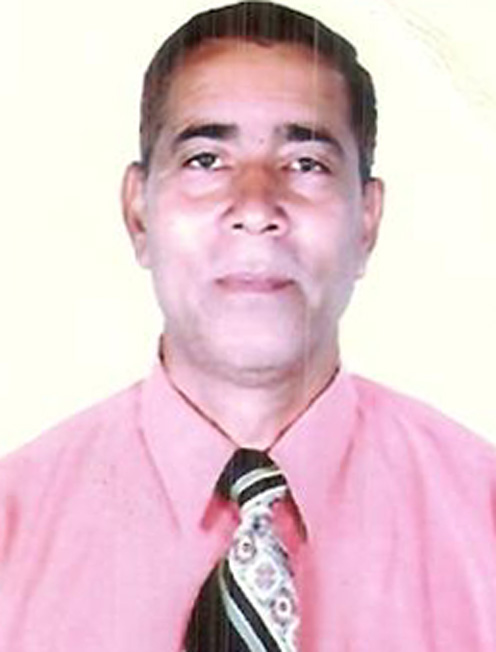
Lalit GuptaSatire, wit and humor occupy an importnat place in Dogra� society. The day to day conversation is invariably marked� with flashes of humor.The modern Dogri literature, being the reflection of� Dogra values, sensibility and ethos, has imbibed the rich� tradition of humor, wit and satire so vividly expressed in� folk tales, song, idiom, proverbs and jokes, in form of� creative prose and poetry. Which thanks to number of� dedicated writers/poets/essayists, today constitues a� disitinct genre.There are many stalwartrs who made humor, irony, and� social satire as raison d'�tre of their creative� expresions. Some of the well known names are Hardutt� Shashtri, Raghunath Singh Sambyal, Parmanand Almast, Dinu� Bhai Pant, Basant Ram Basant, Tatra Smailpuri, Jagananth� Kalra, Tirath Ram Sharma, Balkrishan Sharma, Ram Lal� Sahrma et al.In 1950s Dogri poetry burst into new awakening, inspired� by Dinu Bhai�s Pant�s 'Gutlun' (Titilation) and 'Shaehar� Pehlo Pehal Ge' and 'Duni Chanda Da Byah'. Generations of� Dogras not only remembered these poems but recited them� verbatim in private and public gatherings. New genration of Jammuites can hardly imagine that only a� few deacdes before, city's cultural scene was marked by� the great tradition of pasquinade, best exemplified by poets like Mohan Lal Sapolia, who in a characteristic manner� fearlessly recited their poetry in city�s bazaars, chowks� and other public spaces, and pinpointed social evils,� changing life style, corruption, sycophancy etc., and� lampooned the high and mighty in one breath.Inspired by this unique legacy of humor in mother tounge,� Suirnder Singh Manhas, who expired on February 3, 2015,� was one such brilliant third genration Dogri poet whose� poetic oeuvre was characterized with humor and wit in all� its shades and forms.Born on June 5, 1956 at village Majeeha, Tehsil Samba, to� the family of Subedar Kartar Singh and Savitri Devi,� Surinder Singh Manhas spent his childhood days in a joint� family. Listening to his mother, he introduced him to� Dogri poetry as she having remembered Dinu Bhai Pant�s� �Shehar Pehlo Pehakl Ge� used to recite it to the� children.In 1969, after coming in contact with Basant Ram Basant,� Manhas felt as if poems of the senior poet were a mirror� reflection of the life of poeple like him. In 1971, his� elder brother ennrolled for �Shiromani�, and brought home� some Dogri books for study. Reading of those works further� fuelled his interest and attraction for Dogri literature.Inspired by publication of Basant Ram Basant�s poetic� anthology �Hirkhi Diya� in 1970, Manhas wrote his first� poem in 1971: �Ai Dharti Zorawarain Di, Oh Ram Jamanae� Aayii Jaeyaan�---.� Thereafter, while serving as a Pump Operator in the� Department of Public Health Engineering, writing poetry� became a passion for him which continued till his last� breath.His published anthologies of poems include �Khechal�-1993,� �Nigghe Haase Bisali Peed�- 2003, �Khuey De Diddu�, Part� one- 2006, �Khuey De Diddu�, Part Two-2007, �Douun Rang� Douun Raste�-2009.The subject matter of his poetry was derived from day to� day life and targetted social injustice, corruptions,� follies, mismangment and imbalance in the system, abnormality, conceit, and false-hood of poeople� irrespective of their rank, social stauts, wealth, caste� and creed.� Zindagi Assein Gi Thoee Duhaari, Mari Ge Kishtaan Tuari/� or �Rakhan Hi Khuey Di Sappein Di Mayee, Auendey Hei� Baahr, Cchudi Hi Khaee, Issey Galleyi Assein Koi ShaalNeyiin Layee�./ Full of sacrcasm, irony and pun of words, peculiar of� common man�s speech, his satirical poems, against rotton� traditions and false religious practices enjoyed wide� appeal.� �Kachche Pakkey Da Parham Chakayee Lena, Kahdaa Jaduun Bi� Lena, Thankayee Lena�. He showed a great mastery as well as information about� present social problem especially while highlighting rural� life with humor and satire.�Gall Garibi Di Dassni Kei, Rajjiey Neyiin Khadi, Te� Puhkkhe Nai Reh�. �Saadi Mandi Ch Sun-Saan, Undi Kamai Trikkhi Ai, Karni� Kamaii, Jinhein Pehraein Kola Sikkhi Ai�� In poetic symposiums, whenever Surinder Singh Manhas read� poems with his characterstics stoic countenance, the burst� of laughter comes first. Then, all of a sudden, when the� meaning and message that lie beneath the humorous or� satirical words revealed itself, the audience would become� serious.He will be remembered for his poetic felicity and dictum� like style, which while couching contemporary subject� matter in humor and wit, resurrected the sagacity of� native wisdom in Dogri language for the imagination of� modern generations. / �Charde Gi Sabb Karan Salam, Dahlde De Nehiien Beli,� Ichchar Mor Premi, Jichchar Khirdi Roug Chameli�.
Advertisement