

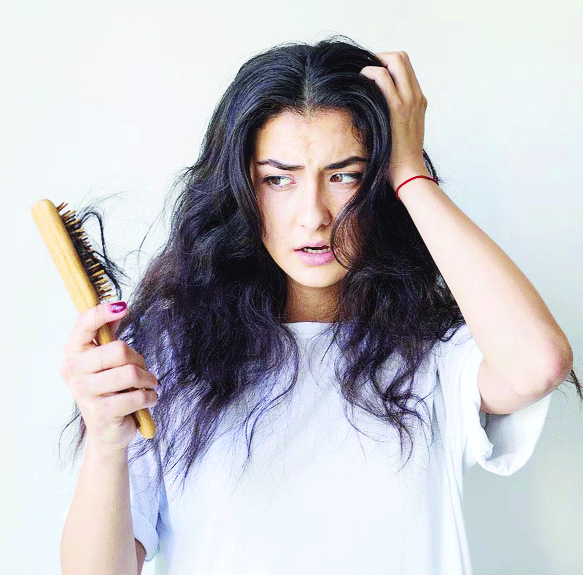
Over the last few years, we have seen a significant rise in hair fall cases, especially among young adults in their 20s and 30s. Earlier, hair thinning was mostly associated with ageing, but today even college students and young professionals are struggling with excessive shedding, reduced hair density, receding hairlines, and thinning at an early age.
Modern lifestyle factors have played a major role in this change. Stress levels are higher, sleep cycles are disturbed, dietary habits have changed, and exposure to pollution has increased considerably. Additionally, excessive heat styling, harsh chemical treatments, crash dieting, hormonal imbalance, and prolonged screen-related stress are all contributing to poor scalp and hair health.
Hair fall is no longer just a cosmetic concern. For many individuals, it affects confidence, self-image, and emotional well-being. In a chat with Daily Excelsior Divya Narang explains the reasons and what modern science can do about it.
Q. What are the most common causes of hair fall seen today?
Hair fall is usually multifactorial, meaning there can be several causes at the same time.
Some of the most common reasons include:
* Genetic predisposition
* Stress and anxiety
* Nutritional deficiencies such as iron, Vitamin D, and protein deficiency
* Hormonal imbalance, including thyroid disorders and PCOS
* Poor sleep and irregular lifestyle
* Scalp infections and dandruff
* Pollution and hard water exposure
* Sudden weight loss or crash dieting
* Post-illness hair shedding
In women, hormonal conditions like PCOS are becoming increasingly common and can lead to hair thinning along with acne and facial hair growth.
In men, androgenetic hair loss or male pattern baldness remains one of the leading causes, but stress-induced shedding is also increasing rapidly.
Q. How can someone differentiate between normal hair shedding and serious hair loss?
Losing some hair daily is completely normal. On average, shedding around 50-100 strands a day can be considered physiological.
However, warning signs include:
* Noticeable thinning of the scalp
* Increased hair on pillow or during shower
* Widening partition in women
* Receding hairline in men
* Reduced hair volume
* Visible scalp under bright light
* Continuous shedding lasting for months
If these signs are ignored for a long period, hair follicles can gradually weaken, making recovery more difficult later.
Early diagnosis is extremely important.
Q. Many people try home remedies and oils first. Are they enough?
Traditional hair care practices like oiling may improve temporary dryness and scalp comfort, but they are usually not enough to treat active hair loss caused by hormonal, genetic, nutritional, or medical factors.
One of the biggest misconceptions today is that every type of hair fall can be cured with oils, shampoos, or social media remedies. Unfortunately, this often delays proper treatment.
In many cases, people spend months experimenting with unverified products before seeking professional advice, by which time hair density may already have reduced significantly.
Scientific evaluation is essential because treatment differs from person to person depending on the cause, age, scalp condition, and stage of hair loss.
Q. What modern treatments are now available for hair rejuvenation?
Aesthetic and regenerative medicine has advanced tremendously in recent years. Today, hair rejuvenation is not limited to traditional medications alone.
Modern treatment options include:
* Medical scalp therapies
* Growth factor treatments
* PRP (Platelet-Rich Plasma)
* Regenerative hair procedures
* Exosome-based therapies
* Advanced cellular technologies
Newer technologies like Meta Cell Technology(MCT) aim to improve scalp health, strengthen weakened follicles, improve blood circulation, and stimulate healthier hair growth naturally.
At clinics worldwide, there is growing interest in regenerative approaches because they focus not only on reducing hair fall but also on improving overall follicular health.
Q. There is increasing discussion about regenerative hair technologies. What makes them different?
Regenerative technologies focus on stimulating the body’s natural repair and rejuvenation processes.
Unlike temporary cosmetic solutions, these treatments aim to improve the scalp environment and support weakened follicles scientifically.
Modern systems such as cellular and growth-factor-based technologies are designed to:
* Improve scalp quality
* Support follicular regeneration
* Enhance hair thickness
* Improve overall hair texture and density
These treatments are especially useful for individuals experiencing early to moderate stages of thinning, where follicles are still active but weakened.
However, the success of any treatment depends greatly on proper diagnosis, patient selection, and consistency.
Q. Can lifestyle changes also improve hair health?
Definitely. Medical treatment works best when supported by healthy lifestyle habits.
Some important measures include:
* Maintaining a protein-rich balanced diet
* Managing stress effectively
* Getting proper sleep
* Staying hydrated
* Avoiding excessive heat and harsh chemical treatments
* Treating dandruff and scalp infections early
* Avoiding self-medication or steroid-based products
Hair health often reflects overall internal health. Therefore, a holistic approach always gives better long term outcomes.
Q. What is your final advice for readers facing hair loss?
Hair fall should not be ignored or hidden under temporary cosmetic fixes. The earlier the condition is diagnosed, the better the chances of improving and preserving hair quality.
At the same time, people must understand that every individual requires a personalised approach. There is no single “one-size-fits-all” solution for hair loss.
Today, modern aesthetic medicine offers several advanced and scientifically driven options that can help people manage hair thinning more effectively than before. Awareness, early intervention, and professional guidance are the key factors.
Healthy hair is not just about appearance – it is closely linked to confidence and self-esteem as well.
Expert Insight
Hair rejuvenation today is not only about reducing hair fall. It is about improving scalp health scientifically and restoring confidence through a personalised treatment approach.
(The author is an Aesthetic Doctor and hair rejuvenation expert associated with SKINSCI Clinics, Jammu, known for advanced skin, laser, and regenerative hair treatments.)
 Follow our WhatsApp channel
