

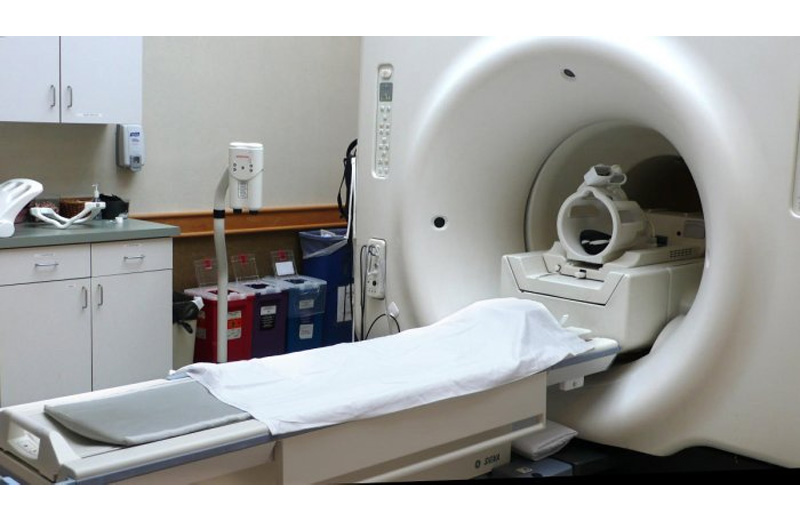
In any modern healthcare system, a CT scan machine is not an optional luxury reserved for elite hospitals – it is a fundamental diagnostic tool without which physicians are, quite literally, working in the dark. The sight of expensive, state-of-the-art 128-slice CT scan machines sitting idle in hospital corridors across J&K, nearly two months after their delivery, is a failure of the highest order, one that is costing ordinary patients – the poor, the elderly, the critically ill – both time and money they can scarcely afford. The facts, as they have emerged before the High Court, are as damning as they are bewildering. The Japanese-supplied machines were delivered on 23rd March 2026 to District Hospital Budgam, District Hospital Poonch, SMGS Hospital Jammu, and the Super Speciality Hospital Srinagar. Yet they remain non-functional to this day – not because of any fault in the equipment, but because the hospitals that requisitioned them were simply unprepared to install them. The sites were not ready. Most critically, the requisite 150 KVA three-phase permanent power supply had not been arranged.
One is compelled to ask, was none of this foreseeable? The procurement process for medical equipment of this scale is notoriously lengthy, involving extended tendering, vendor negotiations, and Letters of Credit. There was ample time for hospital administrators, health department officials, and the concerned power corporations to coordinate so that, when the machines finally arrived, the infrastructure would be in place to install them. That this elementary planning did not occur speaks volumes about the culture of reactive governance that has come to define the Health and Medical Education Department.
Instead of proactive coordination, what we have witnessed is a textbook case of buck-passing. The Medical Supplies Corporation, functioning only as the procuring agency, has rightly pointed out that site readiness is the responsibility of the end-user hospitals. The hospitals, in turn, appear to have been entirely caught off guard by requirements that should have been communicated to them at the outset. Obtaining a 150 KVA three-phase power connection from JPDCL or KPDCL – now impleaded as party respondents by the High Court – has proven to be a Herculean undertaking in itself. In this digital age, a single communication detailing pre-installation requirements to all consignee institutions would have sufficed. It was never sent.
The human cost of this bureaucratic paralysis is neither abstract nor theoretical. Patients requiring urgent CT-based diagnostics are being turned away from Government hospitals or redirected to already overburdened facilities. Those who cannot wait are left with no choice but to seek scans at private diagnostic centres, where the costs are prohibitive for most families in the region. Critical cases – head injuries, tumours, pulmonary emergencies – cannot be deferred on account of administrative torpor. As the Division Bench observed with commendable candour, “With each day’s delay, the general public, particularly the poor and hapless, continue to suffer.”
Additionally, these machines were delivered in late March. Every day they sit uninstalled is a day the warranty clock ticks down. At the current pace, there is every possibility that by the time these machines are finally commissioned, their warranty periods will have already expired or be dangerously close to expiry – setting the stage for yet another cycle of maintenance disputes, fund shortages, and operational breakdowns that have plagued Government hospitals in the past.
Healthcare is an essential service. When Government hospitals cannot offer basic diagnostics, they cease to fulfil their most fundamental purpose. The Government must intervene decisively – fix accountability at every level of the chain. Lives cannot remain hostage to red tape.
 Follow our WhatsApp channel
